

For most wooden boards, plain food-grade mineral oil such as Thirteen Chefs is the simplest and cheapest choice, a wax-enriched conditioner like Howard Butcher Block Conditioner or John Boos Mystery Oil suits anyone who wants extra water resistance, and a walnut oil spray is only worth considering if nobody in the house has a nut allergy. This guide compares those products, explains how to apply them, and covers which oils to avoid.
Our top picks



As an Amazon Associate we earn from qualifying purchases at no extra cost to you.
Cutting Board Oils at a Glance
The details below come from product descriptions as summarised by Bob Vila, Straight.com and other roundups. Ratings and popularity claims in affiliate-style roundups deserve some caution, so this table sticks to what the products are and how reviewers describe them.
| Product | Type | Stated ingredients | Best for | Limits |
|---|---|---|---|---|
| Thirteen Chefs Food Grade Mineral Oil | Liquid mineral oil | USP food-grade mineral oil | General-purpose oiling with a squeeze bottle and push applicator | Thicker than some; no wax barrier |
| Howard Butcher Block Conditioner | Oil and wax blend | Mineral oil, beeswax, carnauba wax, vitamin E | Added water resistance and a smoother finish | Can be slow to dry and messy to apply |
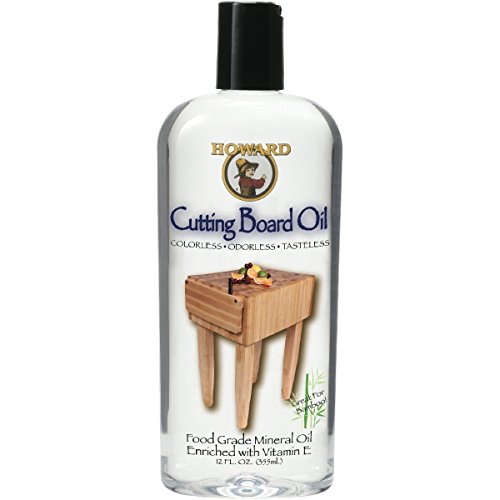
| Howard Cutting Board Oil | Plain mineral oil | USP mineral oil with vitamin E | Colorless, odorless basic oiling | No applicator on some bottles |
| John Boos Mystery Oil | Oil and wax blend | Food-safe mineral oil with carnauba wax and beeswax, per reviewers | Deep penetration on butcher blocks | Wax content means a slightly heavier feel |
| Sanco NSF-Certified Mineral Oil | Liquid mineral oil | Food-grade mineral oil | Large-volume use on many surfaces | Some buyers report packaging leaks |
| Greener Chef Walnut Board Oil Spray | Spray | 100 percent food-grade walnut oil | Controlled spray coverage | Not suitable for people with nut allergies |
| Clark’s Cutting Board Oil | Scented oil | Mineral oil with lemon and orange oils | Pleasant citrus scent | Fragrance may not suit everyone |
Why Boards Need Oil in the First Place
Wood absorbs water from washing and from the food you cut. As it dries it can shrink, crack and warp. Oil soaks into the surface fibres and slows that moisture exchange, which is why guides recommend oiling both faces and all edges of a board, including any juice groove. Oil does not make a board waterproof, and no oil replaces sensible habits: wash by hand, never soak, and stand the board on its edge so it dries evenly.
A freshly bought board that feels dry or pale usually benefits from several coats before its first use, while a board in regular service needs a lighter top-up every few weeks. Bob Vila’s guide suggests oiling about every two to four weeks depending on use, and notes there is no harm in doing it more often. Straight.com cites one maker’s advice of a small amount every few months for a board up to 18 inches, which shows how much the interval depends on the product and on how often the board is washed.
Mineral Oil: The Default Choice
Food-grade mineral oil is colorless, tasteless and odorless, and does not turn rancid, which is why it is the most common recommendation. Thirteen Chefs is Bob Vila’s top overall pick, described as lab-tested and sold in a squeeze container with a push applicator, though the oil is noted as being a little thicker than some. Sanco Industries’ version carries NSF and USP certification according to the same guide, and is sold in larger sizes for people who oil several boards, butcher block counters or wooden tools. The downside reported by some buyers is leaky packaging.
Howard also sells a plain mineral oil with vitamin E. One reviewer’s main criticism is that bottles without an applicator make it messy to pour. Raw Plus Rare is another mineral oil mentioned with vitamin E, described as vegan and kosher, with some reports of bottle issues.
The strength of this category is simplicity and low cost. The weakness is that mineral oil alone does not create a surface barrier, so it needs reapplying more often than a wax blend.
Oil and Wax Conditioners
Howard Butcher Block Conditioner combines mineral oil with beeswax, carnauba wax and vitamin E. Reviewers say the waxes form a water-resistant layer that helps reduce drying and cracking. Straight.com lists its drawbacks as slow drying, a messy application, and the need for more frequent reapplication on heavily used boards. Bob Vila lists it in a single 12 ounce size, which is plenty for a few boards but small for a large countertop.
John Boos Mystery Oil is an NSF-certified, food-safe blend that reviewers describe as combining mineral oil with carnauba wax and beeswax. One guide suggests applying it first because it penetrates deeply, then topping off with Boos Board Cream, which is a separate wax product. Whether you need both is a matter of preference.
A wax-enriched product makes sense if your board sits near the sink, is washed daily, or if you like the slightly smoother, sealed feel. Wax can leave a faint residue, so it is less appealing if you prefer a completely unfinished look.
Plant Oils: What to Use and What to Skip
Bob Vila’s guide explicitly warns against ordinary cooking oils such as olive, avocado or canola, which can become sticky, collect dust and go rancid fairly quickly. Walnut oil appears in the same guide as an option that adds sheen, but it is noted as potentially shortening the finish life, and it is a clear problem for anyone with nut allergies, including guests who might eat food prepared on the board. Greener Chef’s walnut spray is rated for control and a two-year shelf life, yet the allergy warning outweighs those benefits in many households.
Citrus-scented oils such as Clark’s add lemon and orange oils to mineral oil. They smell pleasant and the maker presents them as antimicrobial, but the scent will not suit everyone, and oiling does not substitute for proper washing and sanitising.
How to Oil a Board Step by Step
- Wash the board with mild soap and warm water, then let it dry completely.
- Pour a generous amount of oil on the top surface.
- Rub it in with a clean cloth across the entire face, edges and groove.
- Wait about twenty minutes, then apply a second coat.
- After another twenty minutes, wipe off any excess.
- Turn the board over and repeat on the other side, since oiling only one face can encourage uneven drying.
This sequence follows the steps in Bob Vila’s guide. For a large butcher block counter, the same guide suggests three to four coats an hour apart. Always read the label of the specific product, because wax conditioners often have their own curing times.
Matching Oil to Board Type
| Board | Sensible choice | Notes |
|---|---|---|
| Maple or beech butcher block | Mineral oil, then a wax conditioner | Oil all faces and edges |
| End-grain board | Mineral oil, applied generously | End grain tends to absorb more |
| Teak or oily hardwood | Light mineral oil | These woods already contain natural oils |
| Bamboo | Mineral oil or wax conditioner | Follow the board maker’s instructions |
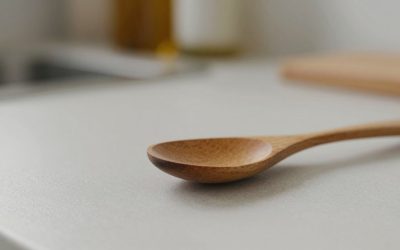
| Wooden spoons and tools | Mineral oil | Wipe off any excess before use |
Pick X If… Decision Table
| Pick this | If you want | Trade-off |
|---|---|---|
| Thirteen Chefs Mineral Oil | An easy, low-cost default with a push applicator | Needs more frequent reapplication |
| Sanco NSF Mineral Oil | Large volume for many surfaces | Possible packaging leaks |
| Howard Butcher Block Conditioner | Water resistance and a finish | Slow drying, messier |
| John Boos Mystery Oil | Deep-penetrating oil and wax blend | Optional second product for topping off |
| Walnut oil spray | A spray and a natural plant oil | Allergy risk, shorter finish life |
Alternatives to Consider
- Beeswax board cream: Sold by makers such as Boos as a topping layer after oiling. It adds a slight sheen and some water resistance.
- Home-mixed oil and beeswax: Some cooks melt food-grade beeswax into mineral oil. It works, but ratios and results vary, and a ready-made conditioner is more predictable.
- Replacing the board material: If you dislike maintenance, a plastic or composite board needs no oiling, though it will not feel like wood under the knife.
Frequently Asked Questions
Is mineral oil safe for cutting boards?
Food-grade, USP-labeled mineral oil is the standard choice for wooden boards and is widely sold for that purpose. Avoid industrial or unlabeled mineral oils. If you have any concern, read the product label and ask a health professional.
How often should I oil my cutting board?
A common guideline is every two to four weeks for a board in regular use, and more often if it looks pale or feels dry. A simple test is to sprinkle a little water on the surface: if it soaks in rather than beading, the board is ready for another coat.
Can I use olive oil or vegetable oil?
Reviewers advise against it. Cooking oils can turn sticky, trap dust and eventually go rancid, which leaves an unpleasant smell on the board and on food. Stick to food-grade mineral oil or a purpose-made conditioner.
Do I need a wax conditioner as well as oil?
No, plain oil is adequate for many boards. Wax conditioners such as Howard or Boos add water resistance, which helps boards that are washed often. It is a preference, not a requirement.
Is walnut oil a good idea?
It adds sheen and comes in convenient sprays, but it can trigger reactions in people with nut allergies. Because food residue can remain in wood, many households avoid it. If allergies are a concern, choose mineral oil.
How do I know when to replace a board instead of oiling it?
Deep cracks, splits along glue lines or heavy warping are signs that oil will not fix the problem. Boards with deep knife grooves that trap food can also be hard to clean. Sanding lightly and re-oiling can revive a worn surface, but severe damage means replacement.
More from Amazon
Programs that pair well with the guide above. Offers and eligibility are set by Amazon and may change.
Free shipping on eligible items, Prime Video and more. Eligible new members can start with a free trial.
Start a Prime free trialA Prime membership for ages 18-24 with a trial period. Eligibility is set by Amazon.
See Prime for Young AdultsAudiobooks and podcasts to listen to on the go. Eligible new members can start with a free trial.
Try Audible freeAd-free music streaming. Eligible new subscribers can start with a free trial.
Try Music Unlimited freeAs an Amazon Associate we earn from qualifying purchases.





Write Your Review
No reviews yet. Be the first to share your experience!