

For most people, the Benchmade Bugout 535 is the pocket knife to start with if weight matters and budget allows, the Opinel No. 8 is the sensible low-cost pick for picnics, gardens and light outdoor use, and the Spyderco Para 3 or Para Military 2 suits anyone who wants a sturdier, grippier folder for daily work. The rest of this guide explains how those choices compare, what the makers and independent reviewers say about them, and how to match a knife to the way you will actually use it.
Our top picks

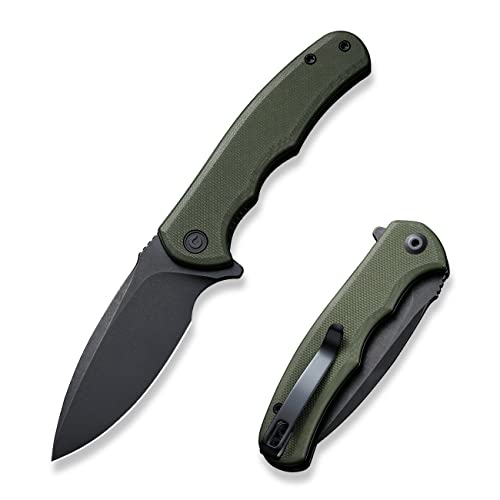
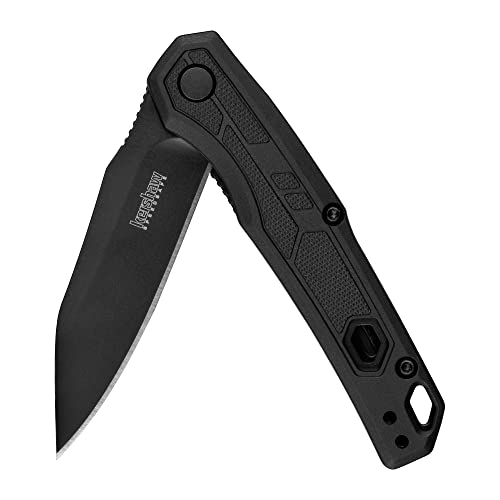

As an Amazon Associate we earn from qualifying purchases at no extra cost to you.
Pocket Knives at a Glance
The table below pulls together specifications as listed by the makers or reported by reviewers such as CleverHiker and PopularEDC. Where a source did not state a figure, the cell says so rather than guessing.
| Knife | Best for | Reported blade and steel | Lock | Main limits |
|---|---|---|---|---|
| Benchmade Bugout 535 | Ultralight everyday carry | About 3.24 in. blade, CPM-S30V; roughly 1.85 to 1.9 oz | AXIS (ambidextrous) | Light handle scales flex; short clip draws mixed comments |
| Spyderco Para 3 | All-round daily use | About 3.0 in. blade, CPM S45VN | Compression Lock | Heavier than the Bugout; premium tier |
| Spyderco Para Military 2 | Tougher cutting jobs | About 3.42 to 3.44 in. blade, CPM S45VN; about 3.9 oz | Compression Lock | Bulkier; stiff at first |
| Opinel No. 8 | Budget carry, picnic and garden | About 3.25 in. blade, Sandvik 12C27 stainless; about 1.6 oz | Rotating collar | Two-handed opening; no clip; can corrode without care |
| Kershaw Bel Air | Corrosion-resistant carry | About 3.1 in. blade, CPM MagnaCut; about 2.9 oz | DuraLock | Handle can feel slippery when wet |
| Kershaw Leek | Slim, general use | About 3 in. blade, 14C28N; about 3 oz | Tip-lock | Thin tip is not for rough work |
| Buck 55 | Light camp chores | About 2.4 in. blade, 420HC; about 1.9 oz | Lockback | Small for large hands; no clip |
| CRKT Drifter | Starter knife | About 3 in. blade, Sandvik 12C27; about 2.4 oz | Liner lock | Small for bigger hands |
What Actually Separates One Pocket Knife From Another
Blade steel
Steel choice is a trade-off between edge retention, ease of sharpening and corrosion resistance. Premium steels such as CPM-S30V, CPM S45VN and CPM MagnaCut hold an edge longer and are the ones reviewers tend to praise in the higher tiers. Budget-friendly stainless like Sandvik 12C27 or 14C28N is easier to touch up on a basic stone and usually forgives neglect better. D2, listed by PopularEDC on the Civivi Elementum, is described as needing regular maintenance, which is a reminder that a hard steel is not automatically a low-effort one.
Lock type
A lock stops the blade from closing on your fingers. Liner locks and frame locks are common and inexpensive. The AXIS lock on Benchmade knives works from either side, which left-handed users often appreciate. Spyderco’s Compression Lock sits on the spine side of the handle, so your fingers stay away from the blade path when you close the knife. The Opinel uses a rotating collar that you twist to lock the blade open or closed, which is simple but needs two hands. Lockbacks, such as the Buck 55, are traditional and sturdy, but closing them also takes two hands.
Weight and handle
Weight decides whether you remember the knife is in your pocket. The Bugout is listed at about 1.85 ounces, while the Para Military 2 is reported around 3.9 ounces. Lighter knives carry easily but can flex under hard pressure. Reviewers who like the heavier Spyderco models point to the wider handle and better grip for long cutting sessions.
Opening method and local rules
Manual thumb-hole, thumb-stud and nail-nick openers are legal almost everywhere that allows folding knives. Assisted-opening designs such as the Kershaw Blur are noted by PopularEDC as being subject to different legal treatment depending on the jurisdiction. Blade length limits for carry also vary by city, state and country, and many workplaces, schools and transport systems prohibit knives altogether. Check the rules that apply where you live and travel, and never pack a knife in carry-on luggage.
Budget Tier: Simple Knives That Do the Job
The Opinel No. 8 is the benchmark here. CleverHiker lists a 3.25 inch Sandvik 12C27 blade, a collar lock and a weight of about 1.6 ounces, and recommends it for budget carry and light outdoor use. Its drawbacks are the ones you would expect from a traditional design: opening takes two hands, there is no pocket clip, and the blade can corrode if it is put away wet. A quick wipe and occasional drop of food-safe oil is usually enough.
The CRKT Drifter is another starter option. It has a Sandvik 12C27 blade of about 3 inches and a liner lock, and reviewers call it small for bigger hands. The Civivi Yonder G10 is described by CleverHiker as a lightweight budget choice, though it flags a crossbar lock hotspot, a tight clip and average edge retention. The Buck 55 is smaller still, with a roughly 2.4 inch 420HC blade, and suits light camp chores more than daily tasks.
If you only open packages, cut twine and slice fruit a few times a week, this tier is usually enough. The money you save is better spent on a small sharpening stone or a strop.
Mid-Range Tier: Better Steel and Better Ergonomics
The mid-range is where steel upgrades start to show. The Kershaw Bel Air uses CPM MagnaCut, which reviewers link to strong corrosion resistance, in a roughly 3.1 inch blade with an anodized aluminum handle. CleverHiker’s note that the handle can be slippery when wet is worth weighing if you carry the knife near water or do messy kitchen and fishing work.
The Kershaw Leek is a slim, widely loved shape with a roughly 3 inch 14C28N blade. Its thin tip makes it a clean slicer but not a prying tool. The Kershaw Blur, at about 3.4 inches and 3.9 ounces, trades pocket slimness for a grippy, contoured handle that reviewers say suits longer sessions. The Benchmade Mini Griptilian, with a roughly 2.91 inch S30V blade and AXIS lock, is described as a good everyday size, though larger hands may find it cramped.
Premium Tier: Where the Benchmade and Spyderco Lines Sit
Most 2026 roundups place the Benchmade Bugout and the Spyderco Para 3 at the top. The Bugout earns its place through low weight: about 1.85 ounces with an S30V blade and an AXIS lock. Reviewers’ complaints are that the thin handle scales feel flexible and that the clip is divisive. Benchmade also offers variants with other steels, such as MagnaCut on certain models, as PopularEDC notes.
The Spyderco Para 3 has a roughly 3 inch S45VN blade and a Compression Lock. PopularEDC describes it as equally comfortable on box-cutting duty at work and heavier chores outdoors, and other reviewers describe it as a close runner-up to the Bugout with more grip and a tougher feel. The Para Military 2 is the larger sibling, with a blade around 3.4 inches that PopularEDC says is suited to tougher tasks such as thick cardboard or branches, at the cost of size and a stiffer action when new.
Pick X If… Decision Table
| Pick this | If you want | Accept this trade-off |
|---|---|---|
| Benchmade Bugout 535 | The lightest carry with good steel | Flexy scales, short clip, premium tier |
| Spyderco Para 3 | One knife for work and weekends | More weight than the Bugout |
| Spyderco Para Military 2 | A larger blade for rougher cutting | Size and weight |
| Opinel No. 8 | Low cost and classic looks | Two-handed use, no clip, rust care |
| Kershaw Bel Air | Corrosion-resistant steel in the mid-range | Slippery when wet |
| Kershaw Leek | A slim, clean slicer | Delicate tip |
| Buck 55 | A small traditional lockback | Small handle, no clip |
Fit, Size and Care Notes
Hand size matters more than most buyers expect. Several reviewers describe the Mini Griptilian, the Drifter and the Buck 55 as small for larger hands, while the Para Military 2 and Blur are described as bulkier. If you can, hold the knife and close your fist around it; the handle should fill your palm without the lock edge biting into your fingers.
For care, wipe the blade after cutting food or working in damp conditions, keep the pivot clean, and put a drop of light oil on it occasionally. Carbon-rich or hard steels such as D2 can spot with rust if stored damp, and CleverHiker notes the Leek can develop rust without maintenance. Sharpen at a consistent angle on a stone or a guided system, and strop between sharpenings. Always cut away from your body and never use the tip as a pry bar, since tips snap far more easily than edges dull.
Alternatives Worth Considering
- Victorinox Cadet: Steelsnob lists it as a non-threatening everyday option. A Swiss Army style knife adds small tools and is often more acceptable in offices and public settings, though the blade is short.
- Civivi Elementum: PopularEDC calls it a budget benchmark, with a roughly 2.96 inch D2 blade and a choice of handle materials. Budget-friendly, but D2 needs regular upkeep.
Frequently Asked Questions
What size pocket knife is best for everyday use?
Most reviewers favour blades between roughly 2.9 and 3.4 inches. That range handles packages, cord, food and light outdoor tasks while staying discreet. Smaller blades like the 2.4 inch Buck 55 are lighter duty, and larger ones are bulkier to carry.
Is the Benchmade Bugout worth it compared with a cheaper knife?
Its appeal is the combination of about 1.85 ounces of weight and CPM-S30V steel, which reviewers say is hard to match. If you do not mind carrying a heavier knife, cheaper options such as the Opinel No. 8 or the CRKT Drifter cut the same everyday items. Whether the premium is worth it depends on how much you value light carry and edge retention.
Which lock is safest?
All the major lock types listed here are reliable when kept clean and used for cutting rather than prying. The AXIS and Compression locks are praised for allowing closing without placing fingers in the blade path, and the Opinel collar and lockback designs are simple and sturdy. Whichever you choose, avoid twisting or batoning with a folding knife unless the maker states it is designed for that.
How do I stop a pocket knife from rusting?
Wipe the blade dry after use, especially after food, rain or sweat, and store it in a dry place. A thin film of light oil on the blade and pivot helps with carbon-rich steels. Stainless steels such as MagnaCut are described by reviewers as more forgiving, though no steel is fully rustproof.
Can I carry a pocket knife everywhere?
No. Carry laws differ by country, state and city, and many venues such as schools, courthouses, airports and some workplaces ban knives entirely. Assisted-opening knives and certain lock types can be restricted in specific areas. Read the local regulations before you carry, and keep the knife out of carry-on bags when flying.
How often should I sharpen it?
Sharpen when the knife stops slicing paper or tomatoes cleanly rather than on a fixed schedule. Premium steels can go longer between sessions, while softer budget steels need more frequent touch-ups that are quick to do. A strop or ceramic rod between sharpenings helps extend the time.
More from Amazon
Programs that pair well with the guide above. Offers and eligibility are set by Amazon and may change.
Free shipping on eligible items, Prime Video and more. Eligible new members can start with a free trial.
Start a Prime free trialA Prime membership for ages 18-24 with a trial period. Eligibility is set by Amazon.
See Prime for Young AdultsAudiobooks and podcasts to listen to on the go. Eligible new members can start with a free trial.
Try Audible freeAd-free music streaming. Eligible new subscribers can start with a free trial.
Try Music Unlimited freeAs an Amazon Associate we earn from qualifying purchases.










Write Your Review
No reviews yet. Be the first to share your experience!