

Key takeaways
- How to pick fish bone tweezers or pin bone pliers for salmon and trout: tip shape, length, alignment, steel and technique.
For salmon and trout fillets, a single pair of stainless tweezers about 4 to 5 inches long, with flat or slightly slanted tips, does the job. Step up to a 6-inch needle-nose pliers style when the fillets are large and thick, because the longer body gives more leverage and keeps your fingers clear of the flesh. Whichever shape you choose, the tips have to meet flush from edge to edge, or they will slide off the bone instead of gripping it.
Pin bones are the short, stiff bones that sit in a line along the middle of a fillet, and they are the reason a good fillet still ends up with a mouthful of surprise. Every tool below is a real pin bone tweezer or pliers, chosen from the product titles and general knowledge of how these tools work. Pike are a special case, and the how-to-choose section explains why tweezers only get you part of the way there.
Quick picks
- Compact everyday tweezers for salmon and trout: Shun 4-inch Fish Bone Tweezers
- Japanese-made with wide, non-slip tips: SASUGA 120mm or Kwizing 4 3/4-inch
- Extra reach for big fillets: Manjushri 6-inch Pin Bone Pliers or BSTACK 6.5-inch Curved Pliers
- Flat and slant tips in one purchase: ZAUGONTW Flat and Slant Set
- Pliers plus tweezers together: RRAYS Serrated Jaw Plier with Flat and Slant Tweezers
Our top picks



As an Amazon Associate we earn from qualifying purchases at no extra cost to you.
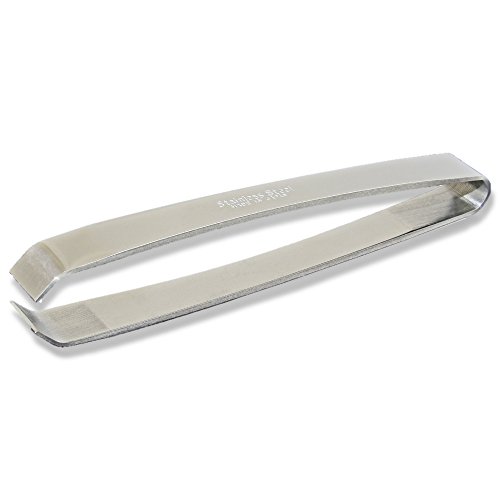
Shun 4-inch Fish Bone Tweezers
The Shun title is short and plain: a 4-inch Japanese-style tweezer in stainless steel, described as a bone and feather remover for fish and poultry. That dual purpose is useful if you also pluck pinfeathers from a duck or chicken. At 4 inches it is the compact end of the range, which suits a standard salmon or trout fillet and fits a drawer without snagging on other tools.
It is a classic single-tip design, so it suits cooks who want one dependable tool rather than a set. The title does not say whether the tips are flat or slanted, and that is the first thing to check on the listing, since it changes how you grip a bone near the skin. Short bodies also mean less leverage on the thicker pin bones of a large fillet.
Kwizing Fish Bone Tweezers (4 3/4-inch)
Kwizing is sold under the RCI Global name, and the title leads with “Made in Japan” and “handmade Japanese craftsmanship” in stainless steel. It runs 4 3/4 inches, a little longer than the Shun, and the listing names salmon, bass and catfish as the fish it targets. The non-slip, precision-grip wording points to a textured or shaped grip area, which helps when your fingers are wet and oily.
It suits anglers who bring home a mix of species and want one tweezer that handles each. The extra three-quarters of an inch is a small but real help when you reach a bone near the centre of a wide fillet. Check the listing photos for the tip shape and for how the grip surface is finished, because the title only tells us the tool is non-slip.
SASUGA Fish Bone Tweezers, 120mm
SASUGA lists a 120mm length, about 4.7 inches, with stainless steel construction, handmade in Japan, and wide non-slip grip tips. It also states that the tool is dishwasher safe. That last claim is worth a second look: even when a maker says a stainless tool can go in the dishwasher, a quick hand rinse and dry protects the tips better, and the next section covers why.
The wide tips are the notable detail. A broad flat pad has more surface to hold a slick bone, which helps with thin, smooth trout pin bones that tend to slip. The trade-off with wider tips is less precision in a tight spot beside another bone. If you fillet salmon more than small trout, the width is a plus.
Yoshihiro Non-Slip Fish Bone Tweezer
Yoshihiro presents this as a Japanese sushi chef’s garnishing tool, labelled Eastern Type non-slip. That puts it in the professional-kitchen tradition, where the same tweezer pulls pin bones from a fillet and then positions small garnishes on a plate. The title does not give a length or tip shape, so those are the listing details to confirm.
It fits the cook who prepares sashimi or sushi-grade fish at home and values a tool built for fine, deliberate work over a general-purpose utensil. If you mostly clean fish straight from the water and want a tool that handles hurried work, a plier with a firmer clamp may be a better match.
BSTACK Fish Bone Pliers 6.5-inch Curved
BSTACK moves into plier territory: a 6.5-inch curved, needle-nose pliers in stainless steel, described as Japanese made, dishware safe and food grade, with a non-slip grip. The curved nose lets you approach a bone at a low angle, so the jaws stay close to the fillet and pull along the bone’s own line rather than lifting it. The extra length also gives you the hand room to work calmly on a big side of salmon.
It suits anyone whose hands find tiny tweezers fiddly, and it gives a more comfortable squeeze for a long run of bones. The limit is size: a 6.5-inch tool is less nimble around the small, close-set bones of a trout than a 4-inch tweezer. Check whether the jaw faces are smooth or serrated, because the title does not say.
Manjushri Precision 6-inch Fish Pin Bone Pliers
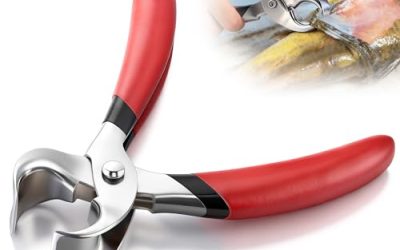
Manjushri sells this 6-inch pliers in black and describes it as made for removing, plucking and pulling pin bones. A second Manjushri listing in the same line has a bent needlepoint tip, so look at which version you are buying before you order. Both are pliers rather than spring tweezers, meaning you squeeze to grip and release to let go.
The 6-inch body sits between the compact tweezers and the longest pliers on this list, which makes it a reasonable all-rounder for someone who fillets salmon, trout and the occasional larger fish. The title gives no material or country of origin, so check the product details for the steel type.
RRAYS Fish Bone Pliers with Flat and Slant Tweezers
This RRAYS listing bundles a serrated jaw plier with a flat tweezer and a slant tweezer, all in stainless steel, aimed at salmon, trout and general seafood. It is the most flexible kit here because you pick the tool to match the bone: tweezers for fine work near the skin, serrated pliers for a stubborn or deeply set bone.
A serrated jaw grips harder than a smooth one, which helps on a bone that keeps slipping, but those teeth can mark soft flesh if you clamp on the meat rather than the bone. The seller also lists other RRAYS variants, including a straight plier, so confirm which configuration is in the listing you choose.
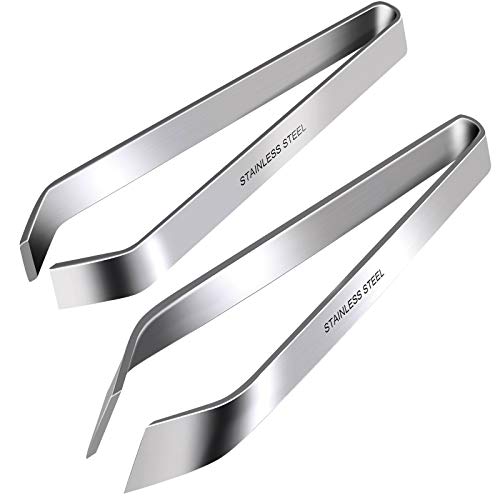
ZAUGONTW Flat and Slant Pliers Set
ZAUGONTW sells one set containing flat and slant fish bone tweezers in stainless steel, aimed at salmon and trout. Of the budget-friendly sets on this list, it is the plainest: two tip shapes, nothing else, no extra pliers. That keeps the decision simple for someone who just wants to try both shapes before committing to a favourite.
The title does not give length, so check the listing before assuming a size. It suits a household that cooks fish a few times a month and wants a backup so one tool is always clean and dry. Inspect the tip alignment when it arrives, as described below.
Comparison at a glance
| Product | Key spec from the title | Best for |
|---|---|---|
| Shun 4-inch Fish Bone Tweezers | 4 inches, stainless steel | Compact everyday salmon and trout work |
| Kwizing Fish Bone Tweezers | 4 3/4 inches, made in Japan, non-slip | Mixed catches including bass and catfish |
| SASUGA Fish Bone Tweezers | 120mm, wide non-slip tips, dishwasher safe | Slick, thin pin bones |
| Yoshihiro Non-Slip Tweezer | Eastern type, non-slip (length: check listing) | Sushi and sashimi prep |
| BSTACK Curved Pliers | 6.5 inches, curved, needle nose | Large fillets, easier grip |
| Manjushri Pin Bone Pliers | 6 inches, black finish | All-round plier feel |
| RRAYS Pliers and Tweezers | Serrated plier plus flat and slant tweezers | One kit for every bone |
| ZAUGONTW Flat and Slant Set | Flat and slant pair (length: check listing) | Trying both tip shapes |
How to choose
Tip shape. Flat (straight) tips grip a bone square-on and give the strongest pinch, which suits thick salmon pin bones. Slant tips are cut at an angle, so one edge reaches in close to the skin and you can see the bone while you grab it. Many cooks end up preferring slant tips for pulling at a low angle and flat tips for the occasional stubborn one, which is why sets with both are popular.
Tweezers versus pliers. Spring tweezers open on their own and close when you press the arms, so they are light, quick and good for hundreds of small pulls. Pliers have a pivot joint and a squeeze-to-grip action, which delivers more clamping force and tires the hand less on a fillet with many bones. Pick tweezers for trout and small fish, pliers for large salmon, steelhead or cod-sized fillets.
Tip alignment. This is the one check that matters more than brand. Close the tool and look at the tips against the light: no gap, no overlap, and the faces meeting along the entire pad. Tips that cross or only touch at one corner will skid off bones. Slide a single sheet of paper between the tips; if you can grip it firmly across the full width, the tool will grip a bone.
Length. Around 4 to 5 inches (100 to 125mm) is plenty for trout and salmon portions. Six inches or more helps with big fillets and keeps your hand away from the work, but it makes small, tightly packed bones harder to pick out.
Steel and finish. Stainless steel resists rust, and a satin or matte finish is easier to hold with wet hands than a mirror polish. Some tools are made from 400-series stainless, which is fine for this job if you dry it after washing. High carbon steel can hold a harder tip but will rust faster without care.
Fish type. Salmon and trout have a clear line of pin bones that tweezers handle well. Pike carry Y-shaped intermuscular bones that run through the fillet in rows, and pulling them out one by one is slow and often leaves holes. Most pike cooks cut the bony strip out instead, which a good fillet knife does better; see our guide to fillet knives for salmon for blade choices and keep the tweezers for the few bones that remain.
Use and care
- Chill the fillet first. Cold flesh is firm, so the bones stand slightly proud and the meat does not tear as you pull.
- Lay the fillet skin-side down on a board that will not slide. A cutting board made for fish with a grip edge or a damp towel under it keeps things steady.
- Run a fingertip along the centre of the fillet against the direction of the grain to feel the bone tips. Draping the fillet over an upturned bowl pushes the tips up even further.
- Grip each bone as close to the tip as you can and pull along the angle it lies in, usually toward the head end, not straight up. A slow, steady pull is better than a jerk.
- Hold the flesh down with your free hand beside the bone so the fillet does not lift with it.
- Rinse the tips between bones so scales and slime do not make them slick.
- Wash by hand, dry straight away and store the tool with its tips protected. Salt, bleach and long soaking can pit stainless steel, and a pitted tip stops gripping cleanly.
Common mistakes: using tweezers to pry or lever, which bends the tips out of alignment; pulling straight up, which tears flesh; clamping with a serrated jaw on the meat; and skipping the fingertip check, so a bone is missed and found at the table. If you also trim whole fish, a pair of kitchen shears handles fins and trimming, leaving the tweezers for bones only.
FAQ
Are fish bone tweezers the same as regular tweezers?
No. Fish bone tweezers are heavier, with wider, harder tips that stay aligned under a firm squeeze. Cosmetic tweezers are lighter and the tips can twist when gripping a slippery bone.
Do I need to remove every pin bone?
For fillets you plan to serve skin-on or whole, yes, because pin bones are easy to miss in a cooked portion. In a fish that will be flaked into a stew, some cooks leave the very fine bones, but pulling them first is safer for guests.
Can I use pliers on small fish like trout?
You can, but the bones are small and close together, so most cooks find 4 to 5 inch tweezers more precise. Keep pliers for large fillets and thick bones.
How do I know if a bone is a pin bone or part of the rib cage?
Pin bones sit in a straight line near the centre of the fillet, while rib bones run along the belly edge. Rib bones are usually removed with the knife when you trim the belly, and tweezers take care of the pin line.
Pick the length that matches your usual fish, check that the tips meet cleanly when the tool arrives, and dry it after every use. A tweezer that lines up and stays dry will last for years. For the rest of the prep, our guide to salmon fillet knives is a good next stop.
More from Amazon
Programs that pair well with the guide above. Offers and eligibility are set by Amazon and may change.
Free shipping on eligible items, Prime Video and more. Eligible new members can start with a free trial.
Start a Prime free trialA Prime membership for ages 18-24 with a trial period. Eligibility is set by Amazon.
See Prime for Young AdultsAudiobooks and podcasts to listen to on the go. Eligible new members can start with a free trial.
Try Audible freeAd-free music streaming. Eligible new subscribers can start with a free trial.
Try Music Unlimited freeAs an Amazon Associate we earn from qualifying purchases.

Write Your Review
No reviews yet. Be the first to share your experience!