

Key takeaways
- Stabilised wood: Wood infused with resin to resist moisture; roundups note it offers a good balance of workability and durability.
- Pakkawood: A resin-laminated wood often used on kitchen knives.
- Micarta and G10: Synthetic laminates that tolerate wet use but dust harshly when sanded, so wear a respirator.
- Bone and antler: Traditional look; natural materials vary in size and may need stabilising.
- Pins and bolsters: Brass, nickel or stainless hardware; match metals to reduce discolouring over time.
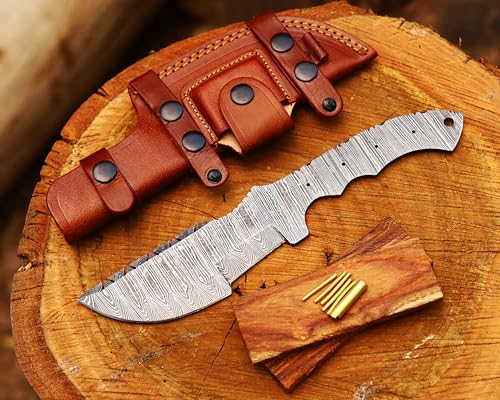
The best knife making kit for a first project is a fixed-blade kit with a pre-hardened stainless blank, wood or synthetic scales and pins, because it lets you practise shaping, drilling and finishing without needing a forge or heat-treat oven. Folding-knife parts kits suit people who already own basic tools and want a harder build, while kits from dedicated supply houses with several blade patterns suit buyers who want to build more than one knife. This guide explains what is in a typical kit, which tools you still need, and how to choose between the styles reviewers mention.
Our top picks


As an Amazon Associate we earn from qualifying purchases at no extra cost to you.
What a Knife Making Kit Usually Contains
One long-established supplier describes its kits as combining a pre-hardened blade blank, handle materials, hardware and instructions, and adds that contents vary by listing, so you should read the individual product page. “Pre-hardened” means the steel has already been heat-treated at the factory, which removes the riskiest step for beginners. The supplier also warns buyers to confirm which tools, adhesives and abrasives they need separately. Its range includes hunting, skinner, fillet, boning and paring blank patterns, as well as larger bowie and dagger designs, and it separates beginner-friendly kits from advanced projects.
That description matches what roundups say about the category. A typical fixed-blade kit gives you a profiled blade with the edge not yet fully finished, a pair of handle slabs or a stabilised wood block, pins or tubes, epoxy and sometimes a lanyard hole liner. Folding kits arrive as a handle frame, blade, pivot hardware and a lock, and demand more precision.
Kit Types at a Glance
| Kit type | Best for | What roundups and makers state | Limits |
|---|---|---|---|
| Fixed-blade hunter, skinner or bushcraft kit with pre-hardened blank | First-time makers | Supplier pages describe blank, handle materials, hardware and instructions; roundups suggest stainless blades forgive mistakes | Needs a vise, files or a belt sander, drill and adhesives not always included |
| Beginner kit with starter tools bundled | People with no tools at all | One roundup praises a kit that includes a bench vise as making the difference between frustration and enjoyment | Included tools are basic; blade steel and handle quality vary |
| Kitchen-pattern blanks (paring, boning, fillet) | Cooks who want a custom handled kitchen knife | The supplier lists kitchen blade patterns among its kits | Food-contact adhesives and finishes matter; follow the supplier’s guidance |
| Folding-knife parts kits (framelock style) | Intermediate builders | One roundup describes a framelock kit as a project for beginner to intermediate makers | Tight tolerances; lock and pivot need careful fitting |
| Damascus blank kits | Appearance-focused builders | Roundups note the pattern looks striking but needs more care to prevent rust | More upkeep, usually a higher tier |
Choosing the Blade Steel
Roundups recommend stainless blanks for first builds because they forgive handling and storage mistakes. Names that come up include 440C and 8Cr14MoV, though sources disagree on which steel a specific popular skinner kit uses, so read the listing or ask the seller before relying on a spec. High-carbon steel can hold a keen edge but needs oiling and dryness, and Damascus patterns, which come from layered steels, show their best looks only when rust is kept away.
Because kits sold as pre-hardened have been heat-treated by the supplier, you generally should not heat the blade yourself. Overheating from aggressive grinding, such as when a blade turns blue, can soften the edge. Cool the steel frequently in water while grinding.
Handle Materials
- Stabilised wood: Wood infused with resin to resist moisture; roundups note it offers a good balance of workability and durability.
- Pakkawood: A resin-laminated wood often used on kitchen knives.
- Micarta and G10: Synthetic laminates that tolerate wet use but dust harshly when sanded, so wear a respirator.
- Bone and antler: Traditional look; natural materials vary in size and may need stabilising.
- Pins and bolsters: Brass, nickel or stainless hardware; match metals to reduce discolouring over time.
Tools You Still Need
Kit contents differ, so check each listing. Many projects require:
- A bench vise or clamps to hold the work.
- Files, sanding blocks and abrasives in graduated grits, or a belt sander.
- A drill and bits sized for the pins.
- Two-part epoxy and clamps.
- Sharpening stones for the final edge.
- Safety equipment: eye protection, hearing protection if using power tools, a dust mask or respirator, and gloves where appropriate.
Buy safety equipment before the kit. Sanding dust from synthetic handle materials and fine steel particles should not be inhaled, and epoxies and finishes should be used in a ventilated space following the manufacturer’s instructions.
Skill, Time and Space
A fixed-blade hunter kit can usually be completed over a weekend or several evenings, depending on how much shaping and finishing you do. Beginners should expect to spend most of their time on the handle: fitting scales, drilling, gluing and sanding. A folding knife adds precise fitting of washers, pivot and lock, which can take longer and has less margin for error. Dedicated bench space helps, since glue needs time to cure and dust can spread through a small room.
Budget Tiers
Budget: Entry-level kits with simple stainless blanks and basic handle material suit trying the hobby. Some include a small set of tools; the quality of the tools is typically basic.
Mid-range: Kits from dedicated supply houses with better blanks, more handle choices and written instructions. Product pages often list the exact steel, which helps compare.
Premium: Damascus blanks, exotic handle materials and folding-knife kits. Spend here once you know you enjoy the work.
Pick X If… Decision Table
| Pick this | If you… |
|---|---|
| Fixed-blade kit with stainless blank | have never made a knife and want a forgiving project |
| Kit with bundled starter tools and a vise | own no workshop tools and want everything in one box |
| Supply-house kit with several patterns | want to repeat the hobby with different blade shapes |
| Kitchen blank kit | want a custom handled paring, boning or fillet knife |
| Folding framelock parts kit | have basic skills and want a precision challenge |
| Damascus blank kit | care about pattern and will keep the blade oiled and dry |
Alternatives to a Full Kit
Buy a blank and handle material separately
Supply houses sell blanks, scales and pins individually. This route costs more thought but lets you pick the steel and handle you want.
Take a class
Local knife-making and blacksmithing classes provide tools, supervision and heat-treat access. They are a good option if you want to try forging or full custom work without buying equipment.
Handle replacement or knife restoration
Re-handling an old knife teaches fitting and finishing at lower stakes, and uses the same skills as a kit.
Safe Working Habits
- Clamp the blade rather than holding it with bare hands while filing or sanding.
- Keep fingers behind the direction of the cut, and cover the edge with masking tape or a guard while working on the handle.
- Keep an organised workspace so loose blades do not roll off the bench.
- Follow the epoxy maker’s cure times and ventilation instructions.
- Check local laws regarding blade length and carry rules before gifting or carrying a finished knife.
- Supervise minors, and treat the finished knife as sharp from the moment the edge is established.
Finishing the Edge
Most kit blades arrive with a rough or partial edge. Establish the bevel evenly on both sides with progressively finer stones or sandpaper on a flat backing, checking symmetry often. Finish by stropping on leather. Take your time here, because a well-finished edge is what makes a self-built knife feel professional. Oil carbon steel blades lightly after finishing, and let epoxy cure fully before putting the knife under load.
Common Beginner Mistakes
The most frequent problems are rushing the epoxy, drilling pin holes off line, and sanding the handle before the pins are flush. Dry-fit every piece before gluing, mark hole positions with a centre punch, and sand the handle in stages from coarse to fine grit. Another frequent error is thinning the edge too aggressively, which can leave a wire edge that folds over. Work slowly, check progress under good light and accept that a first knife will not be perfect.
Frequently Asked Questions
Do I need a forge to make a knife from a kit?
No. Kits with pre-hardened blanks have already been heat-treated, so you shape the handle and finish the blade with hand tools or a belt sander. Forging is a separate, more advanced path.
What is the easiest kit for a beginner?
A fixed-blade kit with a stainless blade and a stabilised wood or pakkawood handle is generally the most forgiving. Supplier pages label beginner-friendly kits, which is worth looking for.
What tools are not included in most kits?
Many kits leave out clamps, files, sanders, drills and sharpening stones. The supplier advice is to confirm which tools, adhesives and abrasives you need separately before ordering.
Is Damascus steel a good choice for a first knife?
It looks appealing, but roundups note it needs extra care to avoid rust. A plain stainless blank is easier to live with for a first project.
How long does a kit take to finish?
A simple fixed-blade project often takes a weekend or several evenings, depending on finish quality and epoxy cure time. Folding knives take longer. Rushing glue or sanding steps usually leaves visible flaws.
Can I use a kit-made knife in the kitchen?
Only if the blade and handle materials suit food contact and the maker’s guidance allows it. Kitchen-pattern kits exist, and the supplier lists paring, fillet and boning blanks, but follow the instructions for adhesives and finishes and ask the supplier if unsure.
More from Amazon
Programs that pair well with the guide above. Offers and eligibility are set by Amazon and may change.
Free shipping on eligible items, Prime Video and more. Eligible new members can start with a free trial.
Start a Prime free trialA Prime membership for ages 18-24 with a trial period. Eligibility is set by Amazon.
See Prime for Young AdultsAudiobooks and podcasts to listen to on the go. Eligible new members can start with a free trial.
Try Audible freeAd-free music streaming. Eligible new subscribers can start with a free trial.
Try Music Unlimited freeAs an Amazon Associate we earn from qualifying purchases.










Write Your Review
No reviews yet. Be the first to share your experience!