

Key takeaways
- AXIS lock (Benchmade): a spring-loaded bar that slides to lock the blade; operable with either hand and generally smooth.
- Compression lock (Spyderco Para 3): locks from the side of the handle; Knife Informer notes it has no blade play and is strong, but some find it takes practice to close with one hand.
- Back lock (Spyderco Delica 4): a traditional, strong lock with a spine release; makers describe it as dependable and simple.
- Liner lock (Civivi Elementum): a spring-steel liner that moves across the blade tang; common on budget folders, and one to check regularly for wear.
- Crossbar lock (Hogue Deka): similar to the AXIS design, listed by reviewers on the Deka.
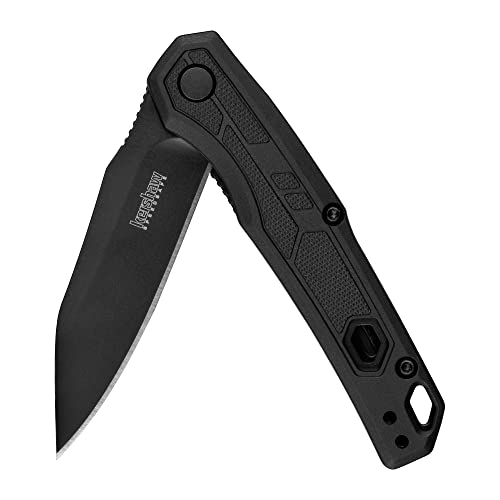
The best everyday-carry folding knife for most people is a light, easy-to-open folder in the 2.9 to 3.3 inch blade range: the Benchmade Bugout suits buyers who want the lightest premium pick, the Spyderco Delica 4 suits those who want proven value, and the Civivi Elementum suits anyone on a tight budget. Roundups from Knife Informer, Knifeflow, KnivesNews and others keep returning to the same names, which makes the choice mostly about weight, lock type, blade length rules where you live, and how much you want to spend. This guide compares those models using the specifications makers and listings state.
Our top picks



As an Amazon Associate we earn from qualifying purchases at no extra cost to you.
At a Glance: EDC Folders Compared
| Model | Stated specs | Best for | Limits |
|---|---|---|---|
| Benchmade Bugout 535 | 3.24 inch CPM-S30V drop point, AXIS lock, about 1.85 oz, Grivory handle, made in USA | Lightweight premium carry | Premium tier; thin handle for large hands |
| Spyderco Delica 4 | 2.875 inch VG-10 blade, back lock, FRN handle, about 2.3 to 2.5 oz depending on version, made in Japan | All-around value, small pockets | Smaller blade; plain steel is not the newest |
| Spyderco Para 3 | Listings give about a 2.93 inch CPM-S45VN blade, compression lock, about 3.4 oz in G-10, made in USA | Sub-3 inch legal carry with premium steel | Heavier than the Bugout; stiffer opening for some |
| Civivi Elementum | 2.96 inch D2 blade, liner lock, ceramic ball bearing pivot, about 2.7 to 2.9 oz in wood or G10 | Budget flipper | D2 can stain if neglected; liner lock requires care |
| Benchmade 940 Osborne | Reviewers praise ergonomics and balance; reverse tanto-style shape | Fans of a classic design | Premium tier; check weight against lighter options |
| Hogue Deka | Reviewers list MagnaCut steel and a crossbar lock at about 60 g | Light, modern premium design | Newer design; fewer long-term reports |
Blade Length and Local Law
Blade length is the first decision, because rules about carrying folding knives vary by state, city and country, and some places limit blade length to 3 inches or less. Spyderco lists the Para 3 with a 2.62 inch cutting edge, and reviewers point to it as a good fit where blade length is restricted. Always read the local statute before you carry, including rules for schools, government buildings, airports and public transit. If you are unsure, ask local law enforcement or consult official state information.
For everyday tasks such as opening boxes, trimming cords, cutting food and opening packaging, a 2.75 to 3.25 inch blade is enough. Longer blades add weight and attract more attention without adding much capability for ordinary chores.
Lock Types
- AXIS lock (Benchmade): a spring-loaded bar that slides to lock the blade; operable with either hand and generally smooth.
- Compression lock (Spyderco Para 3): locks from the side of the handle; Knife Informer notes it has no blade play and is strong, but some find it takes practice to close with one hand.
- Back lock (Spyderco Delica 4): a traditional, strong lock with a spine release; makers describe it as dependable and simple.
- Liner lock (Civivi Elementum): a spring-steel liner that moves across the blade tang; common on budget folders, and one to check regularly for wear.
- Crossbar lock (Hogue Deka): similar to the AXIS design, listed by reviewers on the Deka.
Whatever the lock, test it before relying on it: with the blade open, gently press the spine on a firm surface and ensure the blade does not move. If the lock feels loose, stop using the knife and contact the maker.
Steel Choices in Plain Terms
VG-10, used in the Delica 4, is a stainless steel valued for edge retention and rust resistance. D2, on the Civivi Elementum, holds an edge well but is described as semi-stainless, so wipe it dry after wet use. CPM-S30V and CPM-S45VN are premium powdered stainless steels that hold an edge longer than standard steels but can take more effort to sharpen; the Para 3 and Bugout use these. MagnaCut, listed by reviewers for the Hogue Deka and available in some Para 3 versions, aims to combine toughness with corrosion resistance.
For most EDC users, steel matters less than a well-maintained edge. A small sharpening stone or ceramic rod keeps any knife useful; the difference between steels is how often you need it.
Weight, Handle and Pocket Carry
A knife you notice in the pocket is a knife you leave at home. The Bugout at roughly 1.85 oz is among the lightest premium folders, and the Delica 4 is around 2.3 to 2.5 oz depending on the colorway. The Elementum varies by handle material, at about 2.7 oz in wood and 2.9 oz in G10. The Para 3 in G-10 is closer to 3.4 oz, though Spyderco also makes a lightweight FRN version at about 2.4 oz with a different steel. Thinner handles carry better but can feel narrow in a larger hand, while thicker G-10 handles improve grip.
Check the pocket clip: reversible, tip-up carry is common, and the Delica 4 has a four-way clip. Make sure the clip suits your pants pocket style, and confirm that the knife is not left-hand only if you are left-handed.
Opening Style
Thumb holes (Spyderco), thumb studs (Benchmade) and flippers (Civivi) are the main options. A flipper allows fast one-hand deployment, but it can feel aggressive in places where you want a discreet knife. Thumb holes are ambidextrous and work well with gloves. If you are new to folding knives, practice opening and closing slowly with your fingers clear of the blade path.
Budget, Mid-Range and Premium Tiers
Budget: the Spyderco Tenacious and the Civivi Elementum, which reviewers call the best sub-premium flipper, and the Civivi Vision FG with an ambidextrous lock. Mid-range: the Spyderco Delica 4, Benchmade Griptilian, Kizer Nice Guy and Civivi Mini Praxis. Premium: the Benchmade Bugout, Benchmade 940 Osborne, Spyderco Para 3 and Para Military 2, Hogue Deka and the Exceed Designs TiRant Razor V3. Prices vary by version and handle material, so compare the specific variant you want.
Pick X If… Decision Table
| Pick | If you want… |
|---|---|
| Benchmade Bugout | The lightest premium knife with a larger blade |
| Spyderco Delica 4 | A small, durable, well-reviewed carry knife in the mid-range |
| Spyderco Para 3 | A knife under 3 inches with premium steel and a strong lock |
| Spyderco Para Military 2 | A larger, more ergonomic all-purpose folder |
| Civivi Elementum | A good flipper without paying premium prices |
| Benchmade Griptilian | A value-oriented, customizable classic |
| Hogue Deka | Modern steel and a very light crossbar-lock design |
Care and Maintenance
Keep the pivot and lock area free of lint and grit. Rinse with warm water if the knife gets dirty, dry it thoroughly and apply a drop of light oil to the pivot as the maker suggests. Do not soak knives with wooden or Micarta handles. Avoid using a folder as a pry bar, because folders are not designed for prying and the tip can snap. Store knives closed, out of the reach of children, and cut away from your body.
Three Alternatives
- Small multi-tool or Swiss-style knife: for people who prefer scissors, screwdriver and tweezers over a single blade, and often easier to carry in restricted places.
- Folding utility knife: Knife Informer reviews these separately, and they suit trades and box-opening chores.
- Small fixed blade: sturdier than a folder for outdoor tasks, though less convenient for town carry.
Frequently Asked Questions
What is the best blade length for EDC?
Most users are well served by a blade between about 2.75 and 3.25 inches. That is large enough for everyday cutting and small enough to carry comfortably. Check local laws, because some areas set limits around 3 inches.
Is an expensive knife worth it?
A premium knife offers better steel, tighter fit and lighter weight, and reviewers praise models like the Bugout for that. A budget knife like the Civivi Elementum or Spyderco Tenacious still handles daily tasks well. Choose premium if you care about weight and refinement, or if you will carry the knife daily for years.
Which lock is the safest?
Modern AXIS, compression, back and crossbar locks are all considered dependable when well made and kept clean. The more important factor is checking that the lock engages fully and that you keep your fingers out of the blade path. If any lock feels loose, stop using the knife and contact the maker.
Do I need to sharpen an EDC knife often?
It depends on use and steel. Light use may need sharpening a few times a year, while heavy box-cutting can dull a blade quickly. A ceramic rod or small stone makes touch-ups easy.
Can I carry a folding knife on a plane?
Generally no, not in carry-on baggage. Transportation authorities typically restrict knives in the cabin, so pack them in checked baggage if allowed and follow the airline’s and security agency’s rules. Rules vary by country, so consult official guidance before travel.
What is the difference between the Bugout and the Para 3?
The Bugout is lighter, at about 1.85 oz, and has a longer 3.24 inch blade with an AXIS lock. The Para 3 has a sub-3 inch blade with a compression lock and is heavier, at about 3.4 oz in G-10. Pick the Bugout for pocket weight and the Para 3 for blade-length restrictions or a sturdier hand feel.
More from Amazon
Programs that pair well with the guide above. Offers and eligibility are set by Amazon and may change.
Free shipping on eligible items, Prime Video and more. Eligible new members can start with a free trial.
Start a Prime free trialA Prime membership for ages 18-24 with a trial period. Eligibility is set by Amazon.
See Prime for Young AdultsAudiobooks and podcasts to listen to on the go. Eligible new members can start with a free trial.
Try Audible freeAd-free music streaming. Eligible new subscribers can start with a free trial.
Try Music Unlimited freeAs an Amazon Associate we earn from qualifying purchases.



Write Your Review
No reviews yet. Be the first to share your experience!