

Key takeaways
- Cut away from your body and keep your free hand behind the blade path.
- Use a non-slip cutting board, ideally with a wet towel underneath.
- Wear a cut-resistant glove on the hand holding the fish if you are new to filleting.
- Rinse, dry and sheath the knife after each session, particularly after saltwater use.
- For electric knives, follow the maker’s instructions for battery charging, water exposure and blade changes.
- Cook fish to the safe internal temperature given by local food-safety guidance, and keep raw fish cold.
For most anglers the best fillet knife is a flexible 6 to 9 inch manual blade: the Bubba Tapered Flex or Dexter Outdoors SOFGRIP for the boat and fish camp, the Victorinox Fibrox 6-inch curved for kitchen-friendly trout and salmon work, and a cordless electric such as the Rapala R12 or Bubba Lithium-Ion if you clean big batches of panfish or thick-skinned species. Which suits you comes down to fish size, volume and how much you value a thin, controllable edge over speed.
Fillet knives look alike on a shelf, but blade length, flex and handle grip change how clean your fillets turn out and how tired your hand gets. The outlets that cover this category, including Field & Stream, Wired2Fish, The Wading List and several smaller review sites, do not agree on a single winner. They do agree on the principles. This guide pulls the repeated picks together, attributes claims to the source, and leaves out specifications that could not be confirmed.
Our top picks

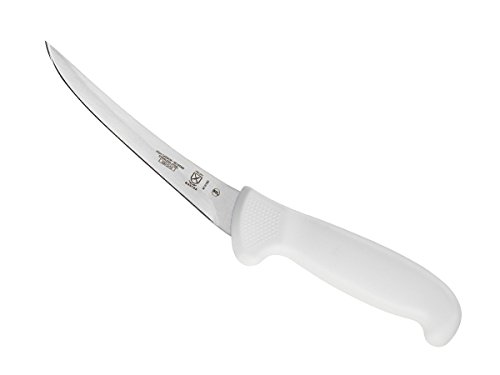


As an Amazon Associate we earn from qualifying purchases at no extra cost to you.
Fillet Knives at a Glance
| Knife | Type | Best for | What outlets say | Main limit |
|---|---|---|---|---|
| Bubba Tapered Flex Fillet Knife | Manual | All-round fishing use | Field & Stream names it Best Overall; known for red handle and coated blade | Blade coating needs care to avoid scratching |
| Dexter Outdoors SOFGRIP Flexible | Manual | Value, comfortable grip | Field & Stream calls it Best Rated; Reddit threads cited by one site call Dexter the best price-to-performance option | Plain finish, standard steel |
| Dexter-Russell 8-inch narrow fillet | Manual | Budget bigger fish | Offkey Tikki names it Best Value | Handle is basic |
| Victorinox Fibrox 6-inch curved | Manual | Trout, salmon, kitchen use | Offkey Tikki Editor’s Choice; Swiss-made, flexible blade, grippy handle; dishwasher-safe per one site | Shorter blade for large fish |
| Rapala flexible fillet knife | Manual | Bank, boat and camp | The Wading List praises the highly flexible blade and precise cuts | Described as an outdoor knife rather than a kitchen one |
| Rapala R12 Heavy Duty Lithium | Electric, cordless | High volume | Wired2Fish calls it the best electric right now, praising battery life | Owner reports are split on thick bone |
| Bubba Lithium-Ion Cordless | Electric, cordless | Quiet, steady work | Wired2Fish calls it the quietest cordless; brushless motor | Slower blade speed, you push it through the fish |
What to Look For
Blade length
Match the knife to the fish. A 6-inch blade handles panfish, trout and small walleye with control. A 7 to 9 inch blade suits bass, salmon and larger fish where you want a single long stroke along the backbone. Very large saltwater species may call for a longer, stiffer blade or an electric knife. Many anglers end up owning two sizes.
Flex
Flexibility is the defining feature. A flexible blade follows the contour of the ribs and spine, which helps preserve meat. A stiffer blade gives more control when cutting through thicker bones or skinning tougher fish. The Wading List specifically praises the Rapala’s highly flexible blade for precision, whereas a Victorinox is described as thinner and more refined for delicate fish like salmon and trout.
Steel and coating
Stainless steel is the standard for wet work. Some knives, such as the Bubba line, use a coated blade to resist corrosion and improve release. Coated blades can scratch if stored loose, so use the sheath. Always rinse and dry the knife after saltwater use, even with stainless steel.
Handle
Fish slime and water make slippery hands, so grip is essential. Textured rubber-like handles, such as the Dexter SOFGRIP or the Victorinox Fibrox, are widely praised for staying grippy when wet. Look for a handle with a bit of guard or flare at the front so your hand does not slide toward the blade.
Sheath
A good sheath protects the edge and keeps the knife safe in a tackle bag. Check that the sheath fits snugly and drains water.
Sharpening
A fillet knife is only as good as its edge. Because thin flexible blades have little steel to remove, use a light touch with a fine stone, ceramic rod or a sharpener intended for fillet blades. Hone often, and avoid aggressive pull-through sharpeners on thin blades.
Manual or Electric
Manual knives win on control, price, weight and simplicity. They suit anglers who clean a few fish at a time and want to feel what the blade is doing. Electric knives are for volume: a day of panfish or a cooler of crappie can be quicker with a powered blade. Wired2Fish rates the Rapala R12 Heavy Duty Lithium as the best out there right now, and it highlights the Bubba Lithium-Ion Cordless as the quietest option, noting that you push the blade through the fish at a slower speed. Owner opinions on the Rapala are mixed: one reviewer finds it lighter and faster than the Bubba, while another reports it could not cut through a lake trout’s spine. Electric knives also involve a battery, a charger and moving parts, so keep them dry and follow the maker’s safety guidance.
The Main Contenders in More Detail
Bubba Tapered Flex
Field & Stream names this its Best Overall in a tested list, though the page’s body refers to 2025 even where the headline says 2026. Bubba knives are recognisable by their red handles and coated blades, and the tapered flex shape is designed to follow the bones. It is a popular pick for those who want a modern, confident all-rounder.
Dexter Outdoors SOFGRIP
The same Field & Stream list rates it Best Rated. Separately, a review site that summarises forum opinions says Reddit communities on fishing and saltwater fishing regularly recommend Dexter as the best price-to-performance choice. The SOFGRIP handle is the selling point, as it stays comfortable through long sessions. If you want a reliable knife without paying for brand polish, this is a leading candidate.
Victorinox Fibrox 6-inch curved
Offkey Tikki names it Editor’s Choice and lists its flexible 6-inch blade, grippy Fibrox handle and Swiss construction. Another site says the Reddit community still prefers Victorinox for its thinner blade, which gives cleaner cuts on salmon and trout, and that it is dishwasher-safe. Check the maker’s care instructions before putting any knife in a dishwasher, because heat and detergent can dull edges and damage handles. This is the pick if the knife will also work in a home kitchen.
Rapala fillet knives
Rapala’s manual fillet knives are praised by The Wading List for their flexible blades and precise cuts, and described as the best everyday outdoor knife but not a kitchen one. The brand also sells the R12 Heavy Duty Lithium electric, covered above.
Dexter-Russell 8-inch narrow fillet
Named Best Value by Offkey Tikki, this longer blade handles bigger fish for a modest outlay. A narrow profile helps with flexibility.
Budget Tiers
| Tier | Typical options | Trade-off |
|---|---|---|
| Budget | Dexter-Russell 8-inch narrow, Dexter SOFGRIP | Plainer finish, fewer extras |
| Mid-range | Victorinox Fibrox 6-inch curved, Bubba Tapered Flex, Rapala manual | Better edge or coating, still need hand sharpening |
| Premium | Rapala R12 Heavy Duty Lithium, Bubba Lithium-Ion Cordless | Battery upkeep, noise or slower blade speed |
Pick X If …
| Pick this | If you … |
|---|---|
| Bubba Tapered Flex | want a well-reviewed all-round manual knife |
| Dexter Outdoors SOFGRIP | want comfort and value for regular fishing |
| Victorinox Fibrox 6-inch | fillet trout or salmon and want kitchen-ready tidy cuts |
| Dexter-Russell 8-inch | fillet bigger fish on a budget |
| Rapala R12 Heavy Duty Lithium | clean many fish and want long battery life |
| Bubba Lithium-Ion Cordless | prefer a quieter electric with steady, controlled speed |
Safety and Care
- Cut away from your body and keep your free hand behind the blade path.
- Use a non-slip cutting board, ideally with a wet towel underneath.
- Wear a cut-resistant glove on the hand holding the fish if you are new to filleting.
- Rinse, dry and sheath the knife after each session, particularly after saltwater use.
- For electric knives, follow the maker’s instructions for battery charging, water exposure and blade changes.
- Cook fish to the safe internal temperature given by local food-safety guidance, and keep raw fish cold.
Alternatives
- Boning knife: A stiffer 5 to 6 inch boning knife can handle poultry and meat as well as small fish.
- Japanese-style fish knives: Single-bevel knives suit sashimi and fine fish work, though they need more care.
- Fish scalers and pliers: Pin-bone pliers and a scaler complete a filleting kit without any extra knife.
Frequently Asked Questions
What length fillet knife do I need?
A 6-inch blade suits panfish, trout and small walleye, and 7 to 9 inches suits bass, salmon and larger fish. Very large species may need a longer blade or an electric knife. Many anglers keep two sizes.
Is an electric fillet knife better than a manual one?
Electric knives are faster for large batches, but manual knives give more control and are simpler to maintain. Reviewer opinions on electric performance vary by model and fish size. If you only clean a handful of fish, a manual knife is usually enough.
Can I use a fillet knife in the kitchen?
Some can, such as the Victorinox Fibrox, which is made for both settings. Others, like the Rapala, are described as outdoor knives. Check the maker’s guidance on kitchen use and care.
How often should I sharpen a fillet knife?
Hone lightly before each session and sharpen when the blade starts to tear rather than slice. Thin blades have little steel to spare, so avoid coarse sharpeners and use a light touch.
Can I put a fillet knife in the dishwasher?
One site says the Victorinox is dishwasher-safe, but heat and detergents can dull blades and damage handles. Hand washing and drying is the safer habit unless the maker states otherwise.
How do I stop the knife slipping?
Choose a textured handle, keep hands as dry as practical, and work on a stable board. A cut-resistant glove on the hand holding the fish adds protection.
More from Amazon
Programs that pair well with the guide above. Offers and eligibility are set by Amazon and may change.
Free shipping on eligible items, Prime Video and more. Eligible new members can start with a free trial.
Start a Prime free trialA Prime membership for ages 18-24 with a trial period. Eligibility is set by Amazon.
See Prime for Young AdultsAudiobooks and podcasts to listen to on the go. Eligible new members can start with a free trial.
Try Audible freeAd-free music streaming. Eligible new subscribers can start with a free trial.
Try Music Unlimited freeAs an Amazon Associate we earn from qualifying purchases.










Write Your Review
No reviews yet. Be the first to share your experience!