

The best budget laptops for work, school and everyday use are usually 14- or 15-inch Windows laptops with 8GB of RAM, a 512GB SSD and a recent Intel Core i3 or AMD Ryzen 3 processor; spend more only if you need heavier multitasking, better battery life or a sharper display.
Our top picks
 OTVOC 15.6 inch Laptop
- 【Powerful Intel Core Processor】Maximize your productivity with the…
- 【4GB So-Dimm RAM+128GB SSD】Maximize your workflow with flexible…
- 【15.6 inch FHD IPS Display】Immerse yourself in stunning…
 HP Laptop 14" Computer 2026
- 💻 Intel N150 Quad-Core Processor for Reliable Everyday…
- 🖥️ 14-Inch HD Display for Clear, Comfortable Viewing
- 💾 128GB UFS Storage– Comes with 128GB UFS…
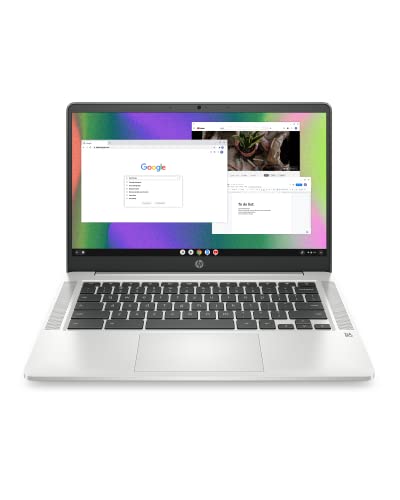 HP Chromebook 14 Laptop
- FOR HOME, WORK, & SCHOOL
- HD DISPLAY, PORTABLE DESIGN
- Reliably tackle all your assignments at once with…
| Product | Key specs | |
|---|---|---|
| OTVOC 15.6 inch Laptop | 【Powerful Intel Core Processor】Maximize your productivity with the… 【4GB So-Dimm RAM+128GB SSD】Maximize your workflow with flexible… 【15.6 inch FHD IPS Display】Immerse yourself in stunning… | Check price |
| HP Laptop 14" Computer 2026 | 💻 Intel N150 Quad-Core Processor for Reliable Everyday… 🖥️ 14-Inch HD Display for Clear, Comfortable Viewing 💾 128GB UFS Storage– Comes with 128GB UFS… | Check price |
| HP Chromebook 14 Laptop | FOR HOME, WORK, & SCHOOL HD DISPLAY, PORTABLE DESIGN Reliably tackle all your assignments at once with… | Check price |
 HP 14" Laptop | Stay productive with the Intel N150 processor delivering… FAST, EFFICIENT MEMORY & STORAGE: Equipped with 4GB… INCH HD DISPLAY, SLEEK NATURAL SILVER DESIGN: Enjoy… | Check price |
As an Amazon Associate we earn from qualifying purchases at no extra cost to you.
Best budget laptops by situation
| Situation | Best fit | Minimum specification | Typical 2026 price range |
|---|---|---|---|
| Basic schoolwork and browsing | Chromebook or entry-level Windows laptop | 8GB RAM, 128GB storage, 12–15-inch display | $250–$400 |
| Office work and remote meetings | Lenovo IdeaPad Slim 3 or Acer Aspire 3 | 8GB RAM, 512GB SSD, Core i3 or Ryzen 3 | $350–$550 |
| Frequent multitasking | ASUS Vivobook 15 or Lenovo IdeaPad Slim 5 | 16GB RAM, 512GB SSD, Core i5 or Ryzen 5 | $500–$750 |
| Portable everyday use | Acer Aspire Go 14 or 14-inch IdeaPad Slim model | 8GB RAM, 512GB SSD, under 3.5 lb | $350–$600 |
These are sensible categories rather than fixed winners because laptop specifications and prices vary considerably by retailer, processor generation, screen resolution and seasonal discounts. Check the exact configuration before buying.
What to buy if your budget is under $400
At this price, prioritize a solid-state drive, 8GB of memory and a comfortable keyboard. The Acer Aspire 3, Acer Aspire Go 14 and entry-level Lenovo IdeaPad Slim 3 configurations are common choices in this range. They suit browser-based schoolwork, Microsoft 365, video calls, email, streaming and light photo organization.
Some models use Intel N-series processors, AMD Athlon chips or lower-tier Core i3 and Ryzen 3 processors. These can be adequate, but performance drops when many browser tabs, video meetings and large spreadsheets are open together. A laptop with 8GB of RAM and a 512GB SSD is usually a better long-term purchase than one with 4GB of RAM and a larger advertised hard-drive capacity.
Chromebooks can provide better value when your work is mainly in Google Docs, Google Drive and web applications. A Chromebook typically needs less storage because much of the work is cloud-based, but confirm that required school or workplace software runs in a browser. Traditional Windows applications, specialist accounting tools and some exam software may not work on ChromeOS.
The best all-round target: 8GB or 16GB RAM and a 512GB SSD
RAM affects multitasking
RAM is working memory, not permanent storage. Eight gigabytes is enough for documents, research tabs, email and occasional video calls. It becomes limiting when you keep dozens of tabs open, use large spreadsheets, run desktop apps simultaneously or connect an external monitor.
Sixteen gigabytes is the better choice if the laptop will be used for several years, if you regularly multitask or if the memory is soldered and cannot be upgraded. Avoid 4GB Windows laptops unless the machine is a very inexpensive, short-term device. Some budget laptops also use a single memory configuration that cannot be expanded, so check the upgrade specifications rather than assuming an empty slot exists.
Storage affects capacity and responsiveness
A 128GB SSD can work for a Chromebook or a Windows laptop used almost entirely online, but Windows, updates and recovery files consume a meaningful portion of that capacity. A 256GB SSD is workable for documents and modest media storage. A 512GB SSD is the value sweet spot for most people because it leaves room for applications, downloaded videos, photos and offline files.
Choose an SSD rather than an older mechanical hard drive. SSDs start programs faster, operate silently and tolerate everyday movement better. If you need more space later, an external USB SSD is usually more reliable and quicker than filling the internal drive until it has only a few gigabytes free.
Display and battery trade-offs that listings hide
| Display choice | Advantages | Compromises | Best for |
|---|---|---|---|
| 14-inch, 1920 × 1080 | Portable, sharp enough for work, commonly 3–3.5 lb | Less physical space than a 15.6-inch model | Students and commuters |
| 15.6-inch, 1920 × 1080 | More room for split-screen documents and spreadsheets | Often 3.5–4.5 lb; less convenient in small bags | Home and office use |
| 14–15.6-inch, 1366 × 768 | Can reduce the purchase price | Less workspace and visibly softer text | Only when the budget is extremely tight |
| Touchscreen or 2-in-1 | Useful for presenting, annotating and tablet-style use | Usually costs more and may weigh more | Note-taking and flexible home use |
For a general-purpose laptop, a 1920 × 1080 IPS display is a worthwhile target. IPS panels generally offer more consistent viewing angles than the cheapest TN panels. Budget screens may still be dim, commonly around 220–300 nits, so inspect brightness specifications if you work near windows or outdoors. A 60Hz refresh rate is perfectly adequate for documents, web use and streaming; paying extra for a high-refresh display makes more sense for gaming than office work.
Battery claims are normally based on controlled tests, not continuous video meetings. A realistic working estimate is often 5–8 hours from an inexpensive Windows laptop and 8–12 hours from an efficient Chromebook, depending on brightness, Wi-Fi strength, video calls and battery age. A 50Wh battery is a useful capacity target, but processor efficiency matters just as much.
Head-to-head: budget Windows laptop or Chromebook?
Choose a budget Windows laptop when you need Microsoft desktop applications, Windows-only utilities, local file management, printer compatibility or the flexibility to install conventional software. Lenovo IdeaPad Slim 3, Acer Aspire 3, ASUS Vivobook Go 15 and similar models are practical examples of the category.
Choose a Chromebook when the user works mainly in a browser, wants simple maintenance and values low cost or long battery life. Chromebooks often wake quickly and receive automatic updates, but storage is commonly smaller and offline capability depends on configuring applications in advance.
For a student, the decision should begin with the school’s software requirements rather than the brand. If the school uses browser-based tools, a Chromebook may be sufficient. If it requires Windows applications, choose Windows even if the Chromebook offers a better-looking specification sheet.
A simple value calculation
Suppose a $400 laptop lasts four years and is used for school or work on 220 days per year. The purchase cost works out to:
$400 ÷ (220 days × 4 years) = about $0.45 per use.
A $600 model costs about $0.68 per use over the same period. The more expensive laptop can still be the better value if its 16GB RAM, stronger hinge, brighter display and larger battery prevent an early replacement. This is why durability and upgradeability matter more than saving the last $50 at checkout.
Ownership realities: what wears out first
- Battery: Capacity declines with charge cycles. Avoid keeping the laptop hot, blocking its vents or leaving it permanently at full charge when the manufacturer provides a battery-care limit.
- Keyboard and trackpad: Spilled drinks and food particles cause more failures than ordinary typing. Keep liquids away and transport the laptop closed in a padded sleeve.
- Hinges: Open the lid from the center with two hands. Pulling a corner repeatedly places uneven stress on the hinge mounts.
- Cooling system: Use the laptop on a hard surface rather than a bed or blanket. Clean exterior vents with compressed air only when the machine is powered off and the manufacturer permits it.
- Storage: Keep at least 15% of the SSD free. Nearly full drives can slow updates and make troubleshooting more difficult.
- Software support: Confirm the model’s operating-system support period, warranty terms and repair options. A replaceable SSD or battery can matter more than a small processor difference.
Bottom line
For most buyers, the best budget laptop is a 14-inch or 15.6-inch Windows model with a 1080p IPS display, 8GB of RAM, a 512GB SSD and a recent Core i3 or Ryzen 3 processor. Upgrade to 16GB RAM and a Core i5 or Ryzen 5 when the laptop will handle heavy multitasking or remain in service for four or more years. Choose a Chromebook for browser-first work, and do not sacrifice display quality, storage or build quality merely to obtain a slightly faster processor.
More from Amazon
Programs that pair well with the guide above. Offers and eligibility are set by Amazon and may change.
Free shipping on eligible items, Prime Video and more. Eligible new members can start with a free trial.
Start a Prime free trialA Prime membership for ages 18-24 with a trial period. Eligibility is set by Amazon.
See Prime for Young AdultsAudiobooks and podcasts to listen to on the go. Eligible new members can start with a free trial.
Try Audible freeAd-free music streaming. Eligible new subscribers can start with a free trial.
Try Music Unlimited freeAs an Amazon Associate we earn from qualifying purchases.







Write Your Review
No reviews yet. Be the first to share your experience!