

The best mini freezers for small spaces are usually compact upright models when floor area matters, while a small chest freezer is the better choice when you need the most usable capacity for the money.
Our top picks
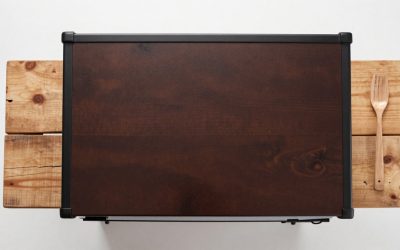
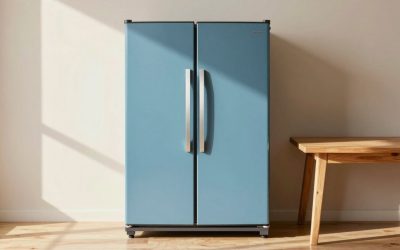
 Whynter Upright Mini Freezer
- Compact Frozen Storage: The Whynter Upright Mini Freezer…
- Secure Cylinder Lock: A keyed cylinder lock keeps…
- Reversible Door Orientation: The door can be hung…
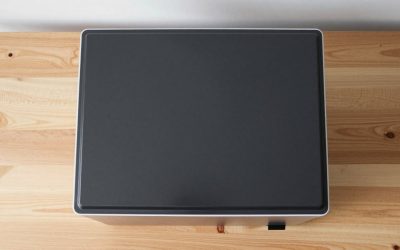
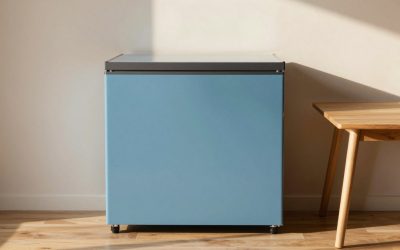
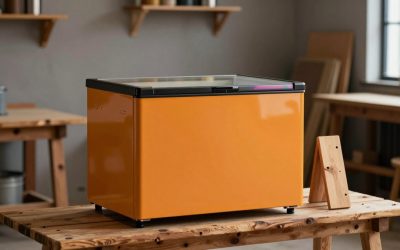
 3.5 Cu.Ft Small Chest Freezer
- Compact Design, Big Storage: This 3.5 cu
- Personalized Temperature Control: Seven adjustable temperature settings allow…
- Convenient Design for Easy Access: The top-mounted door…
| Product | Key specs | |
|---|---|---|
| Whynter Upright Mini Freezer | Compact Frozen Storage: The Whynter Upright Mini Freezer… Secure Cylinder Lock: A keyed cylinder lock keeps… Reversible Door Orientation: The door can be hung… | Check price |
 Midea 3.5 Cu.ft Chest Freezer | Large Capacity Convertible Garage Ready | Check price |
| 3.5 Cu.Ft Small Chest Freezer | Compact Design, Big Storage: This 3.5 cu Personalized Temperature Control: Seven adjustable temperature settings allow… Convenient Design for Easy Access: The top-mounted door… | Check price |
 Igloo 3.5 Cu Ft. Upright Deep Freezer | Spacious Capacity: Our white deep freezer offers 3.5… Quick Freezing System: This chest freezer uses a… Precise Temperature Control: This upright deep freezer has… | Check price |
As an Amazon Associate we earn from qualifying purchases at no extra cost to you.
Quick picks by situation
- Best for an apartment kitchen: Whynter CUF-110B, a compact upright with a small footprint, adjustable temperature control, and a reversible door.
- Best for a home office or bedroom: A 1.1-cubic-foot upright freezer with a quiet compressor and reversible door; prioritize noise and door clearance over maximum capacity.
- Best capacity in a tight budget: A 3.5- to 5-cubic-foot chest freezer, such as the Midea MRC050S0AWW, provided you have room to open the lid.
- Best for occasional seafood storage: A manual-defrost upright freezer with removable shelves, because it is easier to organize fish portions than a deep chest freezer.
- Best for the smallest possible footprint: A compact freezer around 0.8 to 1.1 cubic feet, accepting that it will hold only a few bags or meal-sized portions.
Mini freezer comparison
The figures below are representative published specifications for commonly sold models and closely comparable units. Check the current manufacturer sheet before buying, since dimensions, energy labels, and controls can vary by revision or retailer.
| Model or type | Usable capacity | Approx. exterior size | Temperature range | Noise and frost | Best fit |
|---|---|---|---|---|---|
| Whynter CUF-110B upright | 1.1 cu. ft. | 19.5 W x 17.5 D x 19.0 H in. | About -11 to 7°F | Manual defrost; roughly low-40 dB class | Small kitchen, office, or apartment |
| Whynter CUF-210SS upright | 2.1 cu. ft. | About 17.5 W x 19.5 D x 27.5 H in. | About -11 to 7°F | Manual defrost; compressor noise is noticeable in quiet rooms | More seafood without a chest-freezer lid |
| Midea MRC050S0AWW chest | About 5.0 cu. ft. | About 24.6 W x 20.7 D x 33.5 H in. | Typically around -12 to 10°F | Manual defrost; usually quieter than an upright in normal operation | Bulk storage in a utility room or garage |
| Compact 0.8-1.1 cu. ft. upright type | Approximately 0.6-0.9 cu. ft. usable | 18-20 W x 17-20 D x 19-22 H in. | Often approximately 0 to -10°F at the coldest setting | Usually manual defrost; commonly 40-45 dB | Single-person or occasional use |
| Compact 3.5 cu. ft. chest type | Approximately 2.8-3.2 cu. ft. usable | 21-23 W x 20-22 D x 33-35 H in. | Generally 0 to -10°F adjustable | Manual defrost; low operating noise, but lid movement needs clearance | Best capacity per dollar |
Upright versus chest: the important head-to-head
Usable capacity and organization
A freezer’s advertised cubic feet are not the same as practical storage. Shelves, baskets, evaporator bulges, and tapered interiors reduce usable space. An upright around 1.1 cubic feet may hold roughly 20 to 30 pounds of packaged food, depending on packaging. A 3.5-cubic-foot chest freezer can hold several times that amount, but loose bags tend to disappear at the bottom.
For seafood, an upright is often more convenient. Flat vacuum-sealed portions can stand vertically or sit on shelves, making it easier to use older packages first. A chest freezer wins if you regularly buy whole fish, large fillets, or bulk frozen goods.
Footprint and clearance
Measure the actual installation space, not just the appliance. Leave at least 2 inches behind and on the sides where the manual allows it; 3 to 4 inches is safer for ventilation and easier cleaning. A compact upright may occupy roughly 2.4 square feet of floor space, while a 5-cubic-foot chest freezer can use about 3.5 square feet before accounting for lid access.
Door and lid clearance can change the decision. An upright door typically needs 18 to 24 inches of swing space, although a reversible door can solve a layout problem. A chest freezer needs unobstructed vertical space above the cabinet. Do not place a chest freezer under a counter or shelf that prevents the lid from opening fully.
Temperature control
Look for a stated operating range rather than a vague “adjustable cooling” claim. For long-term frozen storage, the freezer should reliably maintain 0°F or colder under normal conditions. A display showing a set point is useful, but an inexpensive independent freezer thermometer is more dependable than the dial position.
Compact units with a freezer compartment inside a refrigerator are a different category. They often fluctuate more and provide less space than a dedicated freezer. Choose a dedicated appliance if you are storing seafood for more than a few days.
Energy use and noise
Small freezers do not always use proportionally less electricity. A poorly insulated tiny cabinet can cycle frequently, particularly in a warm garage or beside an oven. Typical compact freezers use approximately 200 to 400 kWh per year, while a small chest freezer may fall in a similar or slightly higher range depending on insulation, ambient temperature, and defrosting.
At an electricity rate of $0.18 per kWh, a freezer using 280 kWh annually costs:
280 kWh x $0.18 = $50.40 per year
Use the yellow EnergyGuide label or manufacturer annual-consumption figure for a more meaningful comparison than wattage alone. Compressor cycling also affects noise. A unit rated around 40 dB may be acceptable in an office, but the startup click, vibration, and occasional refrigerant sounds can still be noticeable at night. Place it on a firm, level surface and use vibration pads if the floor transmits sound.
Decision matrix for small-space buyers
| Your situation | Recommended format | Target specification | Why |
|---|---|---|---|
| Very limited floor space | 0.8-1.1 cu. ft. upright | Under 20 in. wide and reversible door | Uses little floor area and keeps contents visible |
| Weekly seafood shopping | 1.5-2.1 cu. ft. upright | At least two shelves and 0°F capability | Enough room for portioned fillets without deep stacking |
| Bulk purchases several times a year | 3.5-5 cu. ft. chest | Removable basket and solid insulation | More capacity and generally efficient cold retention |
| Bedroom or quiet office | Small upright compressor model | Published noise near 40 dB, stable feet | Less lid movement and easier daily access |
| Unheated garage | Chest or garage-rated freezer | Specified ambient operating range | Many compact indoor units perform poorly in temperature extremes |
Frost buildup, defrosting, and ownership
Most genuinely compact freezers use manual defrosting. Frost is not merely cosmetic: a thick layer reduces internal capacity, blocks airflow, and makes the compressor run longer. Defrost when ice reaches roughly one-quarter inch, or sooner if drawers and shelves no longer move freely.
Safe manual-defrost procedure
- Move food into an insulated cooler with ice packs and keep the lid closed.
- Unplug the freezer and place towels around the base.
- Leave the door or lid open; use containers of warm wa
Affiliate disclosure. As an Amazon Associate we earn from qualifying purchases at no extra cost to you. Prices accurate as of the date shown.Best Mini Freezers for Small SpacesCheck price on AmazonMore from Amazon
Programs that pair well with the guide above. Offers and eligibility are set by Amazon and may change.
Amazon PrimeFree shipping on eligible items, Prime Video and more. Eligible new members can start with a free trial.
Start a Prime free trialPrime for Young AdultsA Prime membership for ages 18-24 with a trial period. Eligibility is set by Amazon.
See Prime for Young AdultsAudibleAudiobooks and podcasts to listen to on the go. Eligible new members can start with a free trial.
Try Audible freeAmazon Music UnlimitedAd-free music streaming. Eligible new subscribers can start with a free trial.
Try Music Unlimited freeAs an Amazon Associate we earn from qualifying purchases.
Write Your Review
No reviews yet. Be the first to share your experience!