

Key takeaways
- Set the oven to 250°F (121°C). This temperature is hot enough to bring the meat back to serving temperature without rapidly driving moisture from the muscle fibers.
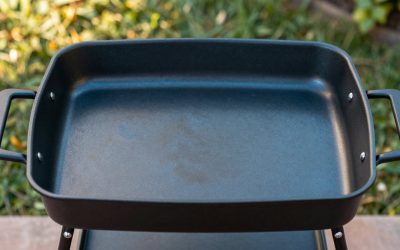
- Prepare the brisket. Place the brisket in a baking dish or disposable foil pan. Leave the fat cap attached if it is still present; it provides some protection during reheating.
- Add liquid. Pour in 2-4 tablespoons of beef jus, unsalted beef broth, barbecue sauce thinned with water, or reserved cooking liquid per pound of meat. The liquid should sit around the brisket rather than cover it completely.
- Seal tightly. Cover the pan with a lid or two layers of foil, crimping the edges. A loose cover allows steam and aromatics to escape.
- Heat until the center is hot. A refrigerated 2-pound whole portion usually takes about 90-120 minutes. A 4-pound portion may take 3-4 hours, depending on thickness, pan material, and starting temperature.
- Check with a thermometer. Insert the probe into the thickest center section. For a hot serving, aim for 165°F (74°C), following the U.S. Department of Agriculture’s reheating guidance for leftovers.
- Rest briefly, then slice. Let the covered brisket rest for 10-15 minutes. Slice across the grain and spoon the warmed juices over the meat.
The best way to reheat brisket without drying it out is to warm it slowly in a covered, moisture-rich environment: use the oven for most portions, sous vide for maximum juiciness, the stovetop for sliced servings, and the microwave only when speed matters most. Keep the brisket sealed or tightly covered, add a small amount of beef jus or broth, and stop heating when the center reaches about 165°F (74°C) for a fully hot serving.
For the best texture, refrigerate brisket whole whenever possible and slice it only after reheating. A whole 2- to 4-pound piece retains moisture better than thin slices because less surface area is exposed to heat.
Quick comparison: the best way to reheat brisket
| Method | Best for | Temperature and timing | Moisture addition | Main trade-off |
|---|---|---|---|---|
| Oven | Whole brisket or large portions | 250°F (121°C); 45-60 minutes per pound | 2-4 tablespoons per pound | Slowest method, but the most dependable |
| Sous vide | Maximum moisture retention and precise control | 150-165°F (66-74°C); 1-3 hours | Usually none; add jus if desired | Requires an immersion circulator and heat-safe bag |
| Stovetop | Small batches of slices with sauce | Low heat; 10-20 minutes | ¼-½ cup per pound | Easy to overheat the bottom layer |
| Microwave | One or two servings in a hurry | 50-70% power; 60-90 seconds per 4 ounces | 1-2 teaspoons per serving | Most likely to create dry edges and hot spots |
How to reheat brisket in the oven
The oven is the best all-purpose method for reheating brisket because gentle, indirect heat warms a large piece evenly while a covered pan limits evaporation. It works for smoked brisket, braised brisket, point, flat, and sliced leftovers.
- Set the oven to 250°F (121°C). This temperature is hot enough to bring the meat back to serving temperature without rapidly driving moisture from the muscle fibers.
- Prepare the brisket. Place the brisket in a baking dish or disposable foil pan. Leave the fat cap attached if it is still present; it provides some protection during reheating.
- Add liquid. Pour in 2-4 tablespoons of beef jus, unsalted beef broth, barbecue sauce thinned with water, or reserved cooking liquid per pound of meat. The liquid should sit around the brisket rather than cover it completely.
- Seal tightly. Cover the pan with a lid or two layers of foil, crimping the edges. A loose cover allows steam and aromatics to escape.
- Heat until the center is hot. A refrigerated 2-pound whole portion usually takes about 90-120 minutes. A 4-pound portion may take 3-4 hours, depending on thickness, pan material, and starting temperature.
- Check with a thermometer. Insert the probe into the thickest center section. For a hot serving, aim for 165°F (74°C), following the U.S. Department of Agriculture’s reheating guidance for leftovers.
- Rest briefly, then slice. Let the covered brisket rest for 10-15 minutes. Slice across the grain and spoon the warmed juices over the meat.
Slice thickness changes the timing. Slices about ¼ inch thick may need only 20-30 minutes in a covered 250°F oven, while ½-inch slices commonly need 30-45 minutes. Arrange slices in a slightly overlapping layer, and place a sheet of parchment or foil directly over the meat before covering the pan to reduce exposed surface area.
Oven method example
For 2 pounds of chilled sliced brisket, add ½ cup of unsalted broth to a shallow baking dish, arrange the slices in one layer, cover tightly, and heat at 250°F for about 35 minutes. Begin checking at 25 minutes and remove the dish when the thickest slice reaches 165°F. If the slices are very thin, reduce the check time to 20 minutes.
When sous vide is the best choice
Sous vide is the most precise method for how to reheat brisket because the water bath cannot exceed its set temperature. It is especially useful for expensive leftovers, brisket sealed in meal-size portions, or meat that has already been sliced.
- Choose a temperature. Set the bath to 150°F (66°C) for moist, gently warmed brisket, or 165°F (74°C) when you want the meat fully hot throughout. Do not use a temperature below 140°F (60°C) as a holding strategy.
- Bag the brisket. Use a heat-safe vacuum bag or a high-quality freezer bag designed for cooking. Add a tablespoon or two of jus if the meat looks dry, but avoid filling the bag with a large volume of liquid.
- Remove air and seal. Excess air can make the bag float and reduce contact with the water. If using a displacement-style freezer bag, keep the zipper above the waterline.
- Heat according to thickness. A 1-inch-thick portion generally needs 60-90 minutes from refrigerator temperature. A 2-inch-thick portion commonly needs 2-3 hours.
- Finish immediately. Open the bag carefully, reserve the juices, and serve. If you want a drier bark, place the brisket under a hot broiler for 30-60 seconds, watching closely.
Sous vide is not automatically faster than the oven for a large roast, and the bag, circulator, and water container add cleanup. Its advantage is control: thin slices are less likely to dry because they are surrounded by a stable-temperature environment rather than exposed to hot oven air.
How to reheat brisket on the stovetop
The stovetop works well for sliced brisket when you have jus, gravy, or barbecue sauce available. Use a wide skillet or sauté pan so the slices sit in a shallow layer instead of being stacked deeply.
- Pour ¼-½ cup of broth, jus, gravy, or thinned barbecue sauce into the pan for every pound of brisket.
- Bring the liquid just to a simmer over medium heat, then reduce the burner to low.
- Add the brisket slices and turn them once or twice so both sides contact the liquid.
- Cover the pan and heat for 10-20 minutes, depending on slice thickness. Very thin slices may be ready in 5-8 minutes.
- Check the center of the thickest slice with a thermometer and remove the pan when the meat reaches 165°F.
Do not boil the liquid. A vigorous simmer can make the edges tough, especially with lean brisket flat. If the sauce reduces before the meat is hot, add another tablespoon or two of broth and lower the heat.
Using the microwave without ruining brisket
The microwave is practical for a single serving, but it requires short intervals and reduced power. Full power heats water molecules quickly, creating hot edges, cold centers, and dry spots before the meat warms evenly.
- Place 3-6 ounces of brisket on a microwave-safe plate.
- Add 1-2 teaspoons of jus, broth, gravy, or water for each serving.
- Cover with a microwave-safe lid or damp, folded paper towel. The cover should retain steam without touching the heating element or interior ceiling.
- Heat at 50-70% power for 45-60 seconds.
- Turn or rearrange the slices, then continue in 20-30-second bursts.
- Rest for 1 minute before checking the temperature, because heat continues to spread after the microwave stops.
A ¼-inch slice may need 60-90 seconds total, while a ½-inch slice or a tightly packed portion may need 2-3 minutes. Heating a full plate of brisket in one uninterrupted cycle is the most common microwave mistake.
How to choose the right method
| Your situation | Choose | Why | Practical limit |
|---|---|---|---|
| Whole piece weighing 2 pounds or more | Oven | Even heat and good moisture retention | Allow at least 90 minutes |
| Meal-prepped 1-pound portions | Sous vide or covered oven | Both protect texture; sous vide is more precise | Bag portions separately for faster heating |
| Four to eight slices with gravy | Stovetop | Fast and easy to monitor | Use low heat and do not boil |
| One serving with no equipment ready | Microwave | Fastest option | Use reduced power and short intervals |
| Lean brisket flat that is already slightly dry | Sous vide or covered oven | Sealed moisture helps prevent further drying | Add jus rather than plain water when possible |
| Smoky, bark-heavy brisket | Oven, then brief uncovered finish | Rehydrates the interior while restoring exterior texture | Uncover only for the final few minutes |
Moisture, slicing, and temperature details that matter
Use the right liquid. Reserved brisket jus gives the closest flavor match. Unsalted beef broth is a good alternative, while barbecue sauce works when the original brisket was heavily sauced. Plain water can prevent scorching, but it dilutes flavor and does little to replace rendered fat.
Keep the brisket intact. Whole brisket has less exposed surface area than slices. If you know you will reheat leftovers, refrigerate the meat in one or two large portions and slice only what you need.
Match time to thickness, not only weight. A 1-pound block that is 2 inches thick can take longer to heat than 1 pound spread across several thin slices. Thickness determines how far heat must travel to reach the center.
Do not repeatedly reheat the entire batch. Divide leftovers into serving portions before refrigerating. Reheat only what you plan to eat, keeping the remaining portions cold.
Cool and store safely. Refrigerate cooked brisket within two hours, or within one hour when the surrounding temperature is above 90°F (32°C), according to USDA food-safety guidance. Store it in a shallow, covered container and use refrigerated leftovers within three to four days. Freeze portions that will not be used in that period.
Common mistakes that dry out brisket
- Reheating uncovered: Hot oven air removes surface moisture before the middle warms.
- Using a high oven temperature: Temperatures around 350°F can heat the exterior long before the center is ready.
- Adding too much liquid: Brisket does not need to swim. Excess liquid can soften bark and make the texture greasy.
- Slicing too thin: Paper-thin slices dry quickly. Aim for approximately ¼ inch for sandwiches and ⅜-½ inch for plated servings.
- Trusting the timer alone: Pan depth, starting temperature, and portion shape change the heating time. A thermometer is more reliable.
- Boiling the sauce: High heat tightens the meat and can scorch sugary barbecue sauce.
Frequently Asked Questions
What is the best way to reheat brisket without drying it out?
Use a tightly covered oven pan at 250°F with 2-4 tablespoons of jus or broth per pound. Heat until the center reaches about 165°F, then rest for 10-15 minutes. Sous vide is even more moisture-protective when you have the equipment and the brisket is already portioned.
Can I reheat brisket the next day?
Yes, provided it was refrigerated within the recommended food-safety window and kept cold afterward. Reheat only the amount you plan to serve, rather than repeatedly warming and cooling the entire batch.
How long does brisket take to reheat in the oven?
At 250°F, a 2-pound refrigerated whole portion commonly takes 90-120 minutes, while a 4-pound portion may take 3-4 hours. Covered slices usually take 20-45 minutes, depending mainly on thickness and how tightly they are packed.
Should I slice brisket before reheating it?
Keep it whole whenever possible because a whole portion loses less moisture. If the brisket is already sliced, arrange the slices closely in a covered dish and add jus or broth before heating.
Can I reheat brisket in its original vacuum-sealed bag?
Only if the packaging is specifically labeled as heat-safe for cooking or reheating. Ordinary storage bags and some vacuum bags are not designed for hot-water use. If the packaging is unsuitable, transfer the brisket to a bag rated for sous vide or use a covered oven dish.
How can I restore brisket bark after reheating?
Reheat the brisket covered until it is hot, then uncover it and place it under a broiler or in a 425°F oven for 30-90 seconds. Watch continuously because bark, rendered fat, and barbecue sauce can burn quickly.
More from Amazon
Programs that pair well with the guide above. Offers and eligibility are set by Amazon and may change.
Free shipping on eligible items, Prime Video and more. Eligible new members can start with a free trial.
Start a Prime free trialA Prime membership for ages 18-24 with a trial period. Eligibility is set by Amazon.
See Prime for Young AdultsAudiobooks and podcasts to listen to on the go. Eligible new members can start with a free trial.
Try Audible freeAd-free music streaming. Eligible new subscribers can start with a free trial.
Try Music Unlimited freeAs an Amazon Associate we earn from qualifying purchases.






Write Your Review
No reviews yet. Be the first to share your experience!