

Best Fillet Knives for Fish and Seafood
The best fillet knives are chosen by matching blade length and flexibility to the fish, then checking that the steel is corrosion-resistant and the handle remains secure when wet. For most home cooks, an 8-inch flexible stainless-steel knife is the most versatile starting point; smaller fish suit a 6-inch blade, while large salmon, pike, and offshore catches are easier with 9 or 10 inches.
Quick picks by fishing and filleting situation
| Situation | Best specification | Suitable example | Why it fits |
|---|---|---|---|
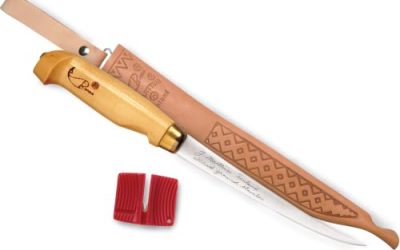
| Small panfish, trout, and occasional home use | 6-inch blade, flexible, 100–180 g total weight | Rapala Fish ‘n Fillet 6-inch | Easy control around ribs and a compact cutting board |
| General-purpose filleting | 7–8 inches, medium flexibility, stainless steel | Victorinox Fibrox 8-inch Fillet Knife | Balanced reach, comfortable grip, and widely available replacement options |
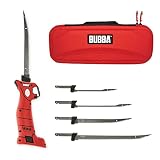
| Large salmon, walleye, and frequent fishing trips | 9 inches, flexible or semi-flexible blade, non-slip handle | Bubba Pro Series 9-inch Flex Fillet Knife | Extra length covers larger fillets and the handle is designed for wet work |
| Commercial-style prep and repeated cleaning | 8–10 inches, tough stainless blade, hygienic handle | Dexter Russell Sani-Safe 8-inch Fillet Knife | Practical construction and a handle designed for food-service use |
| Occasional use with a focus on traditional design | 6–7 inches, flexible blade, wood or textured handle | Morakniv Fishing Comfort Fillet 090 | Light, maneuverable, and suited to smaller freshwater fish |
Specifications can vary by production run and retailer, particularly total weight and sheath style. Treat blade length and flexibility as the primary comparison points rather than assuming two knives with the same nominal length will feel identical.
Our top picks
 SHAN ZU 7 Inch Fillet Knife
- The blade is constructed from genuine Japanese steel…
- Fillet knife comes out with 32-step manufacturing processes,…
- Its design is a perfect blend of traditional…
| Product | Key specs | |
|---|---|---|
 HOSHANHO Fillet Knife 7 Inch | Check price | |
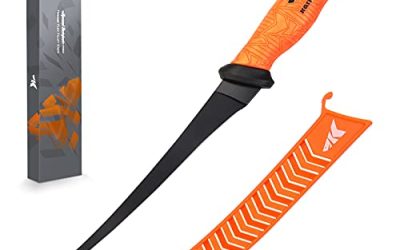
 KastKing Speed Demon Pro Fillet Knife | Check price | |
| SHAN ZU 7 Inch Fillet Knife | The blade is constructed from genuine Japanese steel… Fillet knife comes out with 32-step manufacturing processes,… Its design is a perfect blend of traditional… | Check price |
 Cutluxe Fillet Knife 7" | Perfectly engineered fish fillet knife tapered to a… Hand sharpened edge at 14-16 degrees per side… Luxury pakkawood handle that is triple-riveted for absolute… | Check price |
As an Amazon Associate we earn from qualifying purchases at no extra cost to you.
Blade length: choose by fish size, not by the biggest fish you might catch
6-inch blades
A 6-inch knife is agile around small trout, perch, crappie, bluegill, and smaller panfish. It is easier to keep flat against a narrow rib cage and less likely to remove excess meat. The shorter edge also works well when trimming pin bones or skinning individual portions.
The limitation is reach. On a large salmon or thick cod fillet, a short blade may require several passes, producing a less even cut and more sawing. Choose this size when most of your fish are under roughly 2 pounds or when compact storage matters.
7- to 8-inch blades
This is the best all-round range for most kitchens and freshwater anglers. An 8-inch blade can handle trout, bass, walleye, redfish portions, and moderate-sized salmon without feeling cumbersome. It provides enough surface contact to make long strokes while remaining controllable around the head and tail.
9- to 10-inch blades
Long blades are useful for salmon, large pike, halibut portions, tuna loins, and other thick or wide fish. One long stroke can separate skin from a substantial fillet more cleanly than repeated short cuts. They need a larger work surface and more room around the knife, so they are not automatically better for everyday cooking.
Flexibility and blade shape
Flexibility controls how closely the blade follows the bones. A highly flexible blade bends with light pressure and is excellent for thin fillets, delicate fish, and precise trimming. It also demands more technique: pressing too hard can make the blade wander or leave meat on the frame.
A medium-flex blade is the safest general-purpose choice. It bends enough to follow ribs but has sufficient stiffness for skinning and thicker fillets. A stiff blade is better for large, dense fish and for cutting through joints or removing portions, but it is less forgiving when working around curved bones.
Look for a narrow, slightly tapered blade with a fine point. The point helps open the belly cavity and lift pin bones, while the narrow profile reduces drag. A pronounced belly can help with skinning, whereas a straighter edge offers more predictable contact against the skeleton.
Steel type: corrosion resistance matters more than a fashionable alloy
Fillet knives spend their lives around salt water, fish slime, and frequent washing. Stainless steel is usually the practical choice. Common stainless grades vary in exact composition and heat treatment, so a well-made conventional stainless blade can outperform a harder but poorly maintained blade.
- Conventional stainless steel: A good balance of rust resistance, toughness, sharpening ease, and price. This is the sensible choice for most anglers.
- High-carbon stainless steel: Often holds an edge well and sharpens cleanly, but it still needs prompt rinsing and drying. “Stainless” does not mean stain-proof.
- Coated blades: A dark coating can reduce glare and add another barrier against corrosion, but scratches, chips, and wear near the edge are normal over time.
- Very hard premium steels: They can retain an edge longer, but they may be less tolerant of twisting and more demanding to sharpen. They are not essential for occasional fish cleaning.
For saltwater use, prioritize a blade that can be rinsed thoroughly, a handle without dirt-trapping gaps, and a sheath that allows the knife to dry. A corrosion-resistant steel cannot compensate for storage while wet inside a closed sheath.
Handle grip and safety
A slippery handle is a bigger problem than a slightly dull blade. Look for a textured rubber or polymer grip, a substantial finger guard, and a shape that remains secure with wet or gloved hands. The handle should not rotate when you apply sideways pressure.
Wood handles can feel warm and comfortable, but they need more care and should not be left submerged. Molded polymer handles are easier to clean and usually better for boat or camp use. A full tang is reassuring for heavy work, although the quality of the handle molding and tang attachment matters more than the marketing term alone.
A sheath should cover the edge securely without forcing the blade against a hard surface. Ventilated or drainable sheaths are preferable for fishing trips. Never put a wet knife straight into a sealed sheath, tackle box, or drawer.
Head-to-head: flexible 8-inch versus long 9-inch knives
An 8-inch medium-flex knife is the better default if you clean different species, work in a home kitchen, or share one knife among several users. It offers enough length for most fish while making detailed cuts manageable.
A 9-inch flexible knife is the better specialist tool when your regular catch includes large salmon, thick walleye, or similar fish. It can produce longer skinning strokes and reduce the number of passes. The trade-off is reduced precision on small fish and a greater need for a stable, spacious cutting board.
If your budget allows only one knife, buy the 7- or 8-inch general-purpose model. Add a 6-inch knife later for small fish rather than buying a 10-inch knife that spends most of its time unused.
Ownership costs and maintenance
General market prices range from about $15–$30 for basic recreational knives, $30–$70 for better-grip or more specialized models, and roughly $70–$150 or more for premium construction. The cheapest knife is not always the lowest-cost option if it loses its edge quickly or develops handle damage.
Consider cost per use. A $25 knife used 10 times costs $2.50 per use in its first season. A $60 knife used 60 times over three years costs about $1 per use, before sharpening. Frequent anglers may therefore save money with a tougher handle and more stable edge, while occasional users should avoid paying for performance they will not use.
Care routine after every fish
- Rinse away scales, salt, and proteins immediately with clean fresh water.
- Wash with mild dish soap and a soft sponge; avoid abrasive pads that scratch the blade.
- Dry the blade, bolster, handle, and sheath completely.
- Inspect the edge for rolled sections or chips rather than waiting until the knife struggles.
- Store the knife in a dry sheath, blade guard, or knife block—not loose in a drawer.
Use a fine ceramic rod or suitable sharpening system to maintain the edge, following the manufacturer’s angle guidance. A sharpening steel can realign a slightly rolled edge, but it will not repair a genuinely dull or damaged blade. Avoid twisting the knife through bones; use kitchen shears or a sturdier knife where the cut requires force.
Final recommendation
For most people, the best fillet knife is an 8-inch stainless model with medium flexibility, a textured non-slip handle, and a washable sheath. Choose 6 inches for small fish and tight workspaces, 9–10 inches for large fish and long skinning strokes, and a stiffer blade when thickness and control matter more than following delicate bones. The right fit will make cleaner fillets, but careful washing, drying, and sharpening will determine how long that performance lasts.
More from Amazon
Programs that pair well with the guide above. Offers and eligibility are set by Amazon and may change.
Free shipping on eligible items, Prime Video and more. Eligible new members can start with a free trial.
Start a Prime free trialA Prime membership for ages 18-24 with a trial period. Eligibility is set by Amazon.
See Prime for Young AdultsAudiobooks and podcasts to listen to on the go. Eligible new members can start with a free trial.
Try Audible freeAd-free music streaming. Eligible new subscribers can start with a free trial.
Try Music Unlimited freeAs an Amazon Associate we earn from qualifying purchases.

Write Your Review
No reviews yet. Be the first to share your experience!