

The best monocular for fishing is usually an 8x instrument with a 32–42 mm objective lens: it provides enough reach to identify birds, buoys, shoreline features, and distant activity without the bulk of binoculars.
Our top picks
 Monocular-Telescope 80x100 High Powered Monoculars High Definition
- Superior Optical Coating: Premium multi-layer optical coating greatly…
- Waterproof & Fogproof Performance: Adopted sealed waterproof structure,…
- Lightweight & Portable Body: Compact and lightweight body…
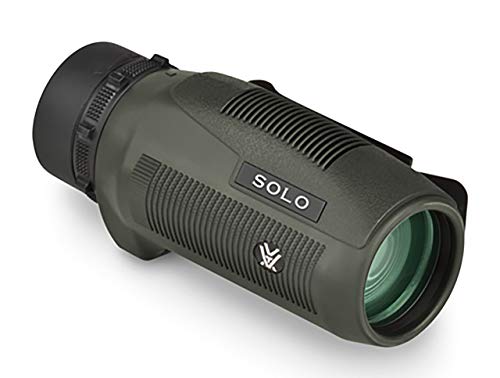 Vortex Solo Monocular 10x36
- 10x magnification and 36mm objectives lens, the Solo…
- The monocular is fully rubber armored providing a…
- Nitrogen purged and o-ring sealed, the Solo delivers…
 TOPDON TS004 Thermal Imaging Monocular
- With a high IR resolution of 256x192 and…
- Equipped with a robust 5000mAh battery, this thermal…
- Wirelessly connect to your phone via the TopInfrared…
| Product | Key specs | |
|---|---|---|
| Monocular-Telescope 80x100 High Powered Monoculars High Definition | Superior Optical Coating: Premium multi-layer optical coating greatly… Waterproof & Fogproof Performance: Adopted sealed waterproof structure,… Lightweight & Portable Body: Compact and lightweight body… | Check price |
| Vortex Solo Monocular 10x36 | 10x magnification and 36mm objectives lens, the Solo… The monocular is fully rubber armored providing a… Nitrogen purged and o-ring sealed, the Solo delivers… | Check price |
| TOPDON TS004 Thermal Imaging Monocular | With a high IR resolution of 256x192 and… Equipped with a robust 5000mAh battery, this thermal… Wirelessly connect to your phone via the TopInfrared… | Check price |
 Monocular-Telescope 80x100 High Power Telescope for Adults | Equipped with advanced optical technology, this high-powered monocular… Featuring high-quality BAK-4 prism and fully multi-coated lenses,… The ergonomic handheld structure features a non-slip rubber… | Check price |
As an Amazon Associate we earn from qualifying purchases at no extra cost to you.
Best monoculars by fishing situation
- Best all-round choice: an 8×42 roof-prism monocular with fully multi-coated optics and nitrogen purging.
- Best for a tackle bag or kayak: a compact 8×32 or 8×36 model weighing about 250–350 g.
- Best for dawn, dusk, and overcast water: a 8×42 or 10×42 model with ED glass and good anti-reflective coatings.
- Best for reading distant buoys or spotting structure: 10×42, provided you can hold it steadily.
- Best for close observation: an 8×42 with a close-focus distance of 2 m or less.
- Best budget approach: prioritize waterproofing, a usable field of view, and low weight before paying for premium glass.
What the numbers mean on a monocular
A monocular marked 8×42 magnifies a subject eight times and uses a 42 mm objective lens. Magnification increases apparent detail, while the objective lens gathers light and influences the instrument’s size. The exit pupil is calculated by dividing objective size by magnification: a 8×42 monocular has a 5.25 mm exit pupil, while a 10×42 has a 4.2 mm exit pupil.
That difference matters on the water. The 8×42 generally looks brighter and steadier in fading light; the 10×42 gives more apparent detail in good light but is more sensitive to hand shake. A 8×32 produces a 4 mm exit pupil and is noticeably smaller, but its image can become less forgiving under heavy cloud or at sunset.
| Configuration | Typical field of view | Typical close focus | Typical weight | Best use |
|---|---|---|---|---|
| 8×25 compact | 6.5–7.5 degrees | 2.5–4 m | 150–250 g | Emergency carry, travel, bright daylight |
| 8×32 compact | 6.5–8 degrees | 1.5–3 m | 250–350 g | Kayaks, hiking, general daytime fishing |
| 8×36 | 5.5–7 degrees | 2–5 m | 280–400 g | Lightweight shoreline and boat use |
| 8×42 | 6–8 degrees | 1.5–3 m | 350–600 g | Best general-purpose balance |
| 10×42 | 5.5–6.5 degrees | 2–4 m | 400–650 g | Distant buoys, birds, and structure |
These are useful buying ranges rather than guarantees. Field of view, focus distance, weight, and optical brightness vary significantly between models, even when the headline magnification and objective size are identical.
Head-to-head: 8×42 versus 10×42
Choose 8×42 for most fishing
The 8×42 format is easier to hold, has a wider field of view, and usually performs better when light levels fall. A wider view also helps you find moving birds, boats, and shoreline markers faster. For a person scanning a lake or estuary from a rocking boat, those practical advantages usually outweigh the extra reach of 10x magnification.
Choose 10×42 for distance
A 10×42 monocular makes distant details appear 25% larger than an 8x model, but it does not automatically resolve more detail. Atmospheric haze, heat shimmer, dirty lenses, and hand movement can erase that theoretical advantage. A 10x model makes most sense when you regularly observe objects across open water and can brace your elbow or the monocular against a rail, pack, or stable surface.
Recommended types and established examples
Compact and inexpensive: Vortex Solo 8×36
The Vortex Solo 8×36 is a sensible example of the lightweight field monocular category. Its 8x magnification is manageable without a tripod, and the 36 mm objective keeps the body smaller than a typical 8×42. It suits anglers who want a simple instrument for checking distant banks, birds, and navigation points without adding much weight. The compromise is a narrower low-light margin than a good 8×42.
Compact with aiming features: Vortex Solo R/T 8×36
The Vortex Solo R/T 8×36 adds ranging-style reticle markings intended for estimating distance. Those markings can be useful for outdoor observation, but they are not a substitute for a rangefinder or charted navigation equipment. Select it only if the reticle helps your particular use; otherwise, a clear standard view is preferable for general wildlife and fishing.
Premium low-light format: an ED-glass 8×42 monocular
For frequent early-morning or late-evening use, look for an 8×42 roof-prism monocular using ED glass, phase-corrected prism coatings, and fully multi-coated lenses. ED glass can reduce color fringing around high-contrast subjects such as white birds against dark reeds. It cannot remove haze or create detail that the atmosphere has obscured, but it can make the image cleaner and easier to interpret.
Long-distance option: a 10×42 waterproof monocular
A 10×42 from a reputable optical manufacturer is the better choice for identifying far-off markers and scanning open reservoirs. Before buying, check its actual field of view and eye-relief figures. A narrow view and short eye relief can make a high-magnification monocular frustrating, particularly if you wear glasses.
Waterproofing matters more than many buyers expect
For fishing, “water-resistant” is not equivalent to waterproof. Look for sealed construction and, ideally, nitrogen or argon purging to reduce internal fogging when moving between a cool cabin and humid air. A waterproof rating protects against rain and accidental splashes, but it does not make an instrument safe to leave submerged or soaked in saltwater.
Salt is especially damaging because it dries into abrasive crystals and can attack coatings, rubber armor, and metal fittings. After coastal use, wipe the exterior with a clean cloth lightly dampened with fresh water, then dry it before replacing the caps. Do not rinse a monocular under a strong tap unless the manufacturer specifically permits it.
How to judge low-light clarity in specifications
- Start with exit pupil: 5 mm or more is useful for dim conditions, although coatings and optical quality matter too.
- Check lens coatings: fully multi-coated optics are preferable to a product that only says “coated.”
- Look for ED glass: especially if you observe birds, white buoys, or bright reflections against dark backgrounds.
- Consider field of view: a wider view makes moving subjects easier to locate.
- Do not rely on lens diameter alone: a larger objective can add weight without producing a better image if the optics and coatings are weak.
Decision matrix for buying
| Your situation | Recommended specification | Why |
|---|---|---|
| Occasional angler, limited budget | 8×32 or 8×36; under 400 g | Portable enough to carry and capable in daylight |
| Frequent freshwater or coastal use | 8×42; sealed and nitrogen-purged | Better low-light performance and weather protection |
| Open-water observation | 10×42; broad eye relief and a stable grip | More reach for distant subjects |
| Wear glasses | At least 15 mm eye relief, preferably twist-up eyecup | Lets you see the full image without pressing the lens into your glasses |
| Kayak or wading setup | 8×32; one-hand focus and tether point | Lower weight and easier handling with limited space |
| Dawn, dusk, and winter fishing | 8×42; 5 mm-plus exit pupil and ED glass | Brighter, more forgiving view in poor light |
Ownership and maintenance realities
The first parts to suffer are usually the lens caps, eyecup, focus mechanism, and rubber armor—not the glass itself. Keep the monocular in a padded pocket rather than loose beside hooks, sinkers, and pliers. A tether prevents a drop overboard, but attach it to the manufacturer’s designated point rather than forcing a cord around the focus wheel.
Remove grit before wiping lenses. Use a blower first, followed by a clean lens brush or optical cloth; dragging dry sand across a coated lens can create permanent marks. Do not use paper towels, shirt fabric, household glass cleaner, or saltwater. Keep the instrument capped when stored, but allow any exterior moisture to dry before closing it in a sealed case.
For a simple value calculation, suppose a $180 monocular is used on 60 fishing trips per year for three years. Its purchase cost is $180 divided by 180 uses, or about $1 per trip. A lighter model that you actually carry can be better value than a theoretically superior instrument left at home. Weight, grip, and waterproofing therefore deserve as much attention as magnification.
Final recommendation
Choose a sealed 8×42 monocular with a field of view of roughly 6 degrees or wider, close focus of 2–3 m, at least 15 mm of eye relief, and a weight you will carry comfortably. Move to an 8×32 or 8×36 when compactness is the priority, or to 10×42 when distant observation matters more than steadiness and low-light comfort. The best monocular is the one that matches your water, weather, and carrying habits—not simply the one with the largest magnification number.
More from Amazon
Programs that pair well with the guide above. Offers and eligibility are set by Amazon and may change.
Free shipping on eligible items, Prime Video and more. Eligible new members can start with a free trial.
Start a Prime free trialA Prime membership for ages 18-24 with a trial period. Eligibility is set by Amazon.
See Prime for Young AdultsAudiobooks and podcasts to listen to on the go. Eligible new members can start with a free trial.
Try Audible freeAd-free music streaming. Eligible new subscribers can start with a free trial.
Try Music Unlimited freeAs an Amazon Associate we earn from qualifying purchases.



Write Your Review
No reviews yet. Be the first to share your experience!