

The best lager beers for seafood are crisp, moderately carbonated beers with restrained bitterness: choose a dry pilsner for oysters and prawns, a highly carbonated pale lager for fried seafood, and a fuller amber or dunkel-style lager for grilled fish.
Our top picks
 Modelo Especial Lager Beer
- Brewed in Mexico, this golden-hued, pilsner-style lager beer…
- Mexican pilsner beer with smooth, full-flavored notes of…
- Modelo cerveza pairs well with Mexican dishes, barbeque-flavored…
 Yuengling Traditional Lager Beer
- Rich amber color and medium-bodied flavor
- Enjoy with grilled meat, fried food, hot &…
- 140 calories per 12oz serving
 Modelo Especial Lager Beer
- Brewed in Mexico, this golden-hued, pilsner-style lager beer…
- Mexican pilsner beer with smooth, full-flavored notes of…
- Modelo cerveza pairs well with Mexican dishes, barbeque-flavored…
| Product | Key specs | |
|---|---|---|
| Modelo Especial Lager Beer | Brewed in Mexico, this golden-hued, pilsner-style lager beer… Mexican pilsner beer with smooth, full-flavored notes of… Modelo cerveza pairs well with Mexican dishes, barbeque-flavored… | Check price |
| Yuengling Traditional Lager Beer | Rich amber color and medium-bodied flavor Enjoy with grilled meat, fried food, hot &… 140 calories per 12oz serving | Check price |
| Modelo Especial Lager Beer | Brewed in Mexico, this golden-hued, pilsner-style lager beer… Mexican pilsner beer with smooth, full-flavored notes of… Modelo cerveza pairs well with Mexican dishes, barbeque-flavored… | Check price |
 Modelo Especial Lager Beer | 12 pack of 12 fl Mexican pilsner beer with a smooth taste and… The perfect tailgating beer or bottled beer to… | Check price |
As an Amazon Associate we earn from qualifying purchases at no extra cost to you.
Quick picks by seafood and cooking method
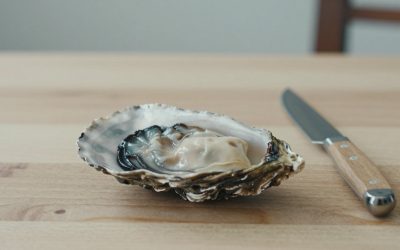
- Raw oysters, clams, and mussels: Pilsner Urquell or a dry German pilsner. Their bitterness and carbonation cut brine without masking delicate flavors.
- Fried fish, calamari, and shrimp: Modelo Especial, Pacifico, or another pale lager with lively carbonation and low-to-moderate bitterness.
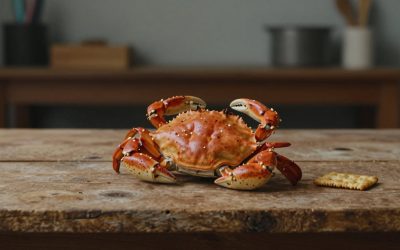
- Crab, lobster, and prawns: Sapporo Premium or a clean international lager. The light malt body supports sweet shellfish while staying refreshing.
- Grilled salmon and tuna: A Vienna lager, märzen, or amber lager. Toasted malt stands up to smoke, char, and richer fish.
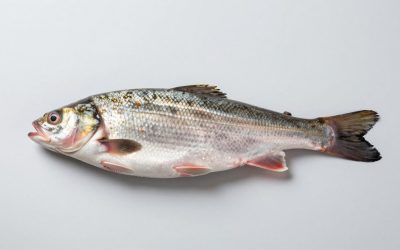
- Grilled white fish: Bitburger, Jever, or another dry pilsner, especially when the fish is served with lemon, herbs, or a sharp salsa.
- Spicy seafood dishes: Corona Extra, Pacifico, or a similarly light lager. Lower bitterness and a cold, crisp finish are less likely to intensify chili heat.
What makes a lager work with seafood?
Pairing is less about beer color than four practical characteristics: bitterness, carbonation, malt character, and serving temperature.
Bitterness
Bitterness refreshes the palate after oily fish, fried batter, butter, or mayonnaise-based sauces. However, very bitter beer can make briny seafood taste harsher and can clash with delicate shellfish. For oysters and steamed fish, aim for low to moderate bitterness. A more assertive pilsner works when the seafood has lemon, mustard, pickles, herbs, or a fried coating.
Carbonation
Carbonation scrubs away oil and gives fried seafood a lighter finish. This is why a crisp lager often feels more suitable with fish and chips than a soft, low-carbonation beer. High carbonation can be distracting with very delicate oysters, so pour gently and avoid serving the beer excessively cold, which can make the bubbles seem sharper.
Malt character
Lightly grainy or cracker-like malt is versatile with prawns, crab, white fish, and simple grilled preparations. Toasted bread, biscuit, and light caramel notes are better with grilled salmon, blackened fish, smoked seafood, or seafood cooked over charcoal. Strongly sweet or heavily roasted malt can overwhelm shellfish.
Serving temperature
Most seafood lagers taste best between 3 and 8°C (37 and 46°F). Serve delicate pale lagers at the colder end, around 3–5°C, and fuller amber or malt-forward lagers around 6–8°C. Ice-cold beer is refreshing, but below roughly 3°C it can suppress aroma and make bitterness feel blunt rather than balanced.
Head-to-head: the best lager styles for seafood
| Lager style | Typical ABV | Typical bitterness | Carbonation | Malt character | Best serving temperature | Best seafood match |
|---|---|---|---|---|---|---|
| German pilsner | 4.8–5.2% | 25–45 IBU | Medium-high | Dry, grainy, lightly floral | 4–6°C | Oysters, grilled white fish, fried cod |
| Czech pilsner | 4.4–5.2% | 30–45 IBU | Medium-high | Soft bread, honeyed grain | 5–7°C | Shellfish, fish schnitzel, mussels |
| American or international pale lager | 4.2–5.0% | 8–20 IBU | Medium-high | Light cracker and cereal notes | 3–5°C | Fish tacos, shrimp, crab, spicy seafood |
| Japanese dry lager | 4.5–5.5% | 12–25 IBU | High | Clean, dry, lightly grainy | 3–5°C | Sushi, tempura, grilled prawns |
| Vienna lager or märzen | 4.8–6.0% | 18–30 IBU | Medium | Toasted bread, biscuit, light caramel | 6–8°C | Grilled salmon, tuna, smoked fish |
| Dunkel | 4.5–5.5% | 16–28 IBU | Medium | Toast, nuts, cocoa-like malt | 7–9°C | Charred fish, smoked mussels, rich sauces |
IBU ranges are style guidelines rather than a promise for every bottle. Many commercial lagers do not publish bitterness figures, and perceived bitterness also changes with temperature, sweetness, and food.
Specific lager choices
Pilsner Urquell: the all-purpose bitter pilsner
Pilsner Urquell brings firm herbal bitterness, noticeable carbonation, and a rounded bready malt base. It is a strong choice when fried seafood needs a clean reset between bites. It also works with oysters served with mignonette, where the beer’s bitterness echoes the sharpness of vinegar and shallot. Serve it cool rather than near-freezing, around 5–7°C, so the malt does not disappear.
Bitburger or Jever: sharper German options
These German-style pilsners suit diners who want more hop bite than a standard pale lager. Bitburger is particularly adaptable with fried fish, grilled cod, and lemon-forward sauces. Jever is drier and more assertive, making it better with strongly seasoned seafood than with very mild shellfish. If the dish is already bitter, heavily peppered, or loaded with grapefruit, choose a softer lager instead.
Modelo Especial: rounded and food-friendly
Modelo Especial offers a fuller grain-and-corn malt impression than a very dry pilsner, with moderate bitterness and brisk carbonation. That balance makes it dependable with fish tacos, beer-battered seafood, shrimp tostadas, and crab cakes. Its mild malt sweetness also softens lime, chili, and pickled toppings. Serve at approximately 3–5°C.
Pacifico or Corona Extra: light lagers for bright seafood
Pacifico and Corona Extra are useful when the food is fresh, citrusy, and spicy rather than smoky or intensely savory. Their restrained bitterness and clean finish complement ceviche, grilled shrimp, fish tacos, and simple white fish. Add citrus to the dish rather than assuming the beer needs a wedge; excessive lime can dominate both the seafood and the lager.
Sapporo Premium or Asahi Super Dry: crisp Japanese pairings
Sapporo Premium has enough malt presence for tempura and grilled prawns while retaining a clean finish. Asahi Super Dry is drier and highly refreshing, making it especially effective with sushi, sashimi accompaniments, fried oysters, and salty soy-based sauces. Keep both cold, around 3–5°C, and pour into a glass if you want to notice their subtle grain character.
Vienna lager or märzen: the grilled-fish choice
When fish develops char, caramelization, or smoke, a pale lager may seem thin. A Vienna lager or märzen supplies toasted malt without the roasted bitterness of a stout or porter. Pair one with grilled salmon, blackened tuna, cedar-plank fish, or seafood served with browned butter. Serve at 6–8°C and drink it more slowly than a highly carbonated pale lager.
Choose by situation, not just by brand
| Your situation | Best choice | Why | Avoid |
|---|---|---|---|
| Delicate oysters or steamed clams | Soft pale lager or restrained pilsner | Low sweetness and moderate carbonation preserve briny detail | Very bitter pilsners or sweet amber lagers |
| Greasy fried seafood | German pilsner or dry pale lager | Bitterness and bubbles clear the palate | Low-carbonation malt-heavy beers |
| Spicy fish tacos | Pacifico, Corona Extra, or similar pale lager | Gentle bitterness and cold refreshment support chili and lime | High-bitterness pilsner |
| Grilled or smoked fish | Vienna lager, märzen, or dunkel | Toasted malt matches smoke and char | Extremely light lager served too cold |
| One beer for a mixed seafood table | Moderate pale lager or Czech pilsner | Balances shellfish, batter, herbs, and grilled items | Highly specialized smoky or intensely bitter beer |
How to serve lager with seafood
- Chill according to style: refrigerate pale lagers for several hours, but let fuller lagers stand for 5–10 minutes before serving.
- Use a clean glass: detergent residue can flatten foam and make the beer seem lifeless. Rinse the glass with cold water before pouring.
- Pour with a modest head: aim for about 2–3 cm of foam. This releases aroma without wasting carbonation.
- Match the strongest element: pair bitterness with fried coating, malt with char, and crispness with chili, citrus, or brine.
- Taste the food first: if the beer makes the seafood seem metallic, more bitter, or overly salty, switch to a lower-bitterness, less assertive lager.
Buying and storage considerations
For the freshest flavor, choose cans or bottles with a clear production or best-before date and avoid warm storage followed by repeated chilling. Light and heat can damage pale lager flavor, especially in clear or green bottles. Cans and brown bottles generally offer better protection from light. Once opened, carbonation falls quickly, so a 330–355 ml serving is practical for a small seafood plate, while a 440–500 ml can suits a full meal or sharing.
The first qualities to fade are usually crisp carbonation and delicate hop aroma, not the basic malt flavor. Store unopened lager upright in a cool, dark place and serve it soon after chilling. Do not freeze it: expansion can split the container, and partially frozen beer often pours foamy and tastes flat after it warms.
Bottom line
For the widest range of seafood, buy a moderate pale lager or Czech pilsner. Choose a German pilsner when fried food needs bitterness, a light international lager for spicy or citrusy seafood, a Japanese dry lager for tempura and sushi, and a Vienna lager or märzen when grilling creates smoke and char. The best lager beers are the ones whose bitterness, bubbles, malt, and temperature support the seafood instead of becoming the main flavor.
More from Amazon
Programs that pair well with the guide above. Offers and eligibility are set by Amazon and may change.
Free shipping on eligible items, Prime Video and more. Eligible new members can start with a free trial.
Start a Prime free trialA Prime membership for ages 18-24 with a trial period. Eligibility is set by Amazon.
See Prime for Young AdultsAudiobooks and podcasts to listen to on the go. Eligible new members can start with a free trial.
Try Audible freeAd-free music streaming. Eligible new subscribers can start with a free trial.
Try Music Unlimited freeAs an Amazon Associate we earn from qualifying purchases.


Write Your Review
No reviews yet. Be the first to share your experience!