

Key takeaways
- 2.5 pounds fresh zucchini (about 5 medium), sliced into 1/4-inch rounds or half-moons – yields about 8 cups raw
- 1.5 teaspoons kosher salt, divided, plus more to taste
- 1 tablespoon olive oil or unsalted butter
- 1 medium yellow onion (about 8 ounces), finely diced
- 2 cloves garlic, minced
- 3 large eggs, lightly beaten
- 3/4 cup sour cream (or 6 ounces softened cream cheese)
- 1/4 cup whole milk or half-and-half
- 1/2 teaspoon black pepper
- 1/2 teaspoon dried Italian seasoning or thyme
- 1/4 teaspoon garlic powder
- 2 cups shredded low-moisture cheese, divided (see cheese table below)
- 1/2 cup grated Parmesan cheese, divided
- 3/4 cup panko breadcrumbs (optional for topping, or use extra cheese)
- 2 tablespoons unsalted butter, melted (if using panko)
- 1 tablespoon chopped fresh parsley or chives for garnish
This creamy and cheesy zucchini casserole recipe bakes up with a custardy, set center and a golden-brown cheese crust in a 9×13-inch dish in 35 to 45 minutes at 375°F. The key is aggressively draining the zucchini first to remove 1 to 1.5 cups of water per 2 pounds, then binding it with eggs, sour cream, and cheese so it slices cleanly instead of turning watery. Use low-moisture mozzarella or Gruyère for stretch and browning, and finish uncovered for the last 10 minutes for color without overcooking the center.
Our top picks


As an Amazon Associate we earn from qualifying purchases at no extra cost to you.
What Is a Creamy Zucchini Casserole?
A creamy zucchini casserole is a baked savory casserole where salted and drained sliced zucchini is folded into a custard of eggs, sour cream or cream cheese, and shredded cheese, then baked until the center is just set and the top is browned.
Unlike a gratin that is mostly cream and cheese, this version is sliceable and spoonable, closer to a crustless quiche or savory bread pudding without the bread. It works as a side dish for grilled fish and chicken, as a vegetarian main with a salad, or as a make-ahead base for summer squash when zucchini is abundant. The recipe below is balanced for a standard 9×13-inch casserole and scales predictably for smaller dishes if you adjust depth and bake time.
Ingredients for a 9×13-Inch Creamy and Cheesy Zucchini Casserole
This quantity fills a 9×13-inch dish to a depth of about 1.5 inches, which is ideal for even setting and browning. For a 9×9-inch or 2-quart dish, halve the recipe.
- 2.5 pounds fresh zucchini (about 5 medium), sliced into 1/4-inch rounds or half-moons – yields about 8 cups raw
- 1.5 teaspoons kosher salt, divided, plus more to taste
- 1 tablespoon olive oil or unsalted butter
- 1 medium yellow onion (about 8 ounces), finely diced
- 2 cloves garlic, minced
- 3 large eggs, lightly beaten
- 3/4 cup sour cream (or 6 ounces softened cream cheese)
- 1/4 cup whole milk or half-and-half
- 1/2 teaspoon black pepper
- 1/2 teaspoon dried Italian seasoning or thyme
- 1/4 teaspoon garlic powder
- 2 cups shredded low-moisture cheese, divided (see cheese table below)
- 1/2 cup grated Parmesan cheese, divided
- 3/4 cup panko breadcrumbs (optional for topping, or use extra cheese)
- 2 tablespoons unsalted butter, melted (if using panko)
- 1 tablespoon chopped fresh parsley or chives for garnish
Do not substitute pre-shredded cheese that contains heavy anti-caking starch if you want the smoothest melt; shred from a block. If using cream cheese instead of sour cream, soften it completely and whisk it with the eggs until smooth so the custard does not stay lumpy.
Equipment and Casserole Dimensions: Why Size Changes Everything
Casserole depth, not just volume, determines whether your zucchini casserole sets in the center before the top burns. A 9×13-inch dish gives you a large surface area for evaporation and browning with a shallow depth that sets evenly in under 45 minutes. A deeper, smaller dish traps more moisture and needs a longer, lower bake.
Use a glass, ceramic, or light-colored metal casserole. Dark metal browns the edges faster and can over-brown the bottom before the center sets, per most bakeware manufacturers’ heat conduction guidelines. Glass and ceramic retain heat longer, so the casserole will continue to set for 10 to 15 minutes after you pull it from the oven.
| Casserole Dish Size | Capacity | Filled Depth (Full Recipe) | Oven Temp | Bake Time Uncovered | Result |
|---|---|---|---|---|---|
| 9×13 inch (33×23 cm) | 3 to 3.5 quart / 3.0 to 3.3 L | 1.4 to 1.6 inches | 375°F / 190°C | 35 to 45 minutes | Best balance: set center, browned top |
| 9×9 inch (23×23 cm) | 2 to 2.5 quart / 1.9 to 2.4 L | 2.3 to 2.6 inches (halve recipe for 1.4 inch depth) | 375°F / 190°C | 50 to 65 minutes (full recipe); 35 to 40 min halved | Dense center, less browning; cover with foil if top browns early |
| 11×7 inch (28×18 cm) | 2 quart / 1.9 L | 1.8 to 2.0 inches (use 2/3 recipe) | 375°F / 190°C | 40 to 50 minutes | Good alternative if you do not own a 9×13 |
| 3-quart oval gratin | 3 quart / 2.8 L | 1.6 to 1.9 inches | 375°F / 190°C | 38 to 48 minutes | More edge browning, elegant serving |
If you only have a 9×9-inch dish and want to make the full recipe, expect the center to take up to 20 minutes longer to reach 175°F to 185°F internally. Tent loosely with foil at the 30-minute mark if the cheese is already deep golden, then continue baking until the center barely jiggles.
Cheese Options: Melt, Flavor, and Browning Compared
No single cheese does everything. Low-moisture melting cheeses give you that creamy pull, aged cheeses give flavor and browning, and fresh high-moisture cheeses can make the casserole watery. The best result is a blend: 70 percent melter and 30 percent flavor cheese.
Shred cheese cold and toss it with the drained zucchini while the vegetables are still warm, not hot, so it melts evenly without separating. Reserve 1/2 cup of the blend for the top.
| Cheese | Moisture Level | Melting and Browning | Flavor Profile | Best Use in This Recipe |
|---|---|---|---|---|
| Low-moisture mozzarella (whole milk) | Low (45-52%) | Excellent melt, pale gold browning, strong stretch | Mild, milky, lets zucchini shine | Primary melter; 1 to 1.5 cups of the blend |
| Gruyère or Comté | Low-medium | Excellent melt, deep even browning | Nutty, savory, slightly sweet | Best flavor melter; ideal 50/50 with mozzarella |
| Sharp cheddar (aged 9+ months) | Low | Good melt, browns quickly, can release oil if overbaked | Sharp, tangy | Great for bold flavor; use with Monterey Jack to smooth melt |
| Monterey Jack or Fontina | Medium | Very smooth melt, light browning | Buttery, mild | Best for extra-creamy custard |
| Parmesan (Parmigiano Reggiano) or Pecorino Romano | Very low | Does not melt creamy; crisps and browns intensely | Salty, umami, sharp | Mix 1/4 cup into custard + 1/4 cup on top for crust |
| Feta or goat cheese | Medium-high | Softens but does not melt smooth; brown spots only | Briny, tangy | Crumble 1/2 cup on top for Mediterranean variation |
Avoid pre-crumbled feta packed in water and fresh mozzarella in brine for the main blend; both add water back to a dish you just worked to dry out. If you want a breadcrumb crust, use panko mixed with Parmesan and melted butter. According to most cheese manufacturers’ spec sheets, low-moisture mozzarella and Gruyère have the most reliable browning at 375°F without oiling out.
How to Make Creamy Zucchini Casserole Step by Step
Follow these steps in order; each one prevents a watery or under-set casserole.
Step 1: Slice and salt the zucchini to draw out water (20 minutes). Reason: Salt pulls water from zucchini cells by osmosis so it does not flood the custard. Slice zucchini 1/4-inch thick. Toss with 1 teaspoon kosher salt in a colander over a bowl or sink. Let stand 20 minutes. You will see 1 to 1.5 cups of liquid collect from 2.5 pounds.
Step 2: Squeeze dry with towels. Reason: Surface moisture is not enough; you must press out interior water for a set slice. Transfer salted slices to a clean kitchen towel or several layers of paper towels. Press and wring firmly in batches. Measure if you like: properly drained zucchini will feel dry to the touch and have reduced in volume by about 25 percent, from 8 cups to about 6 cups. Discard liquid.
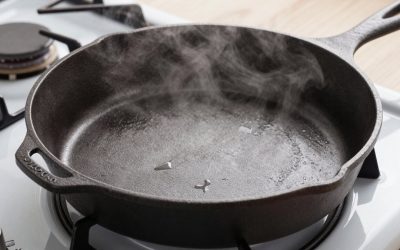
Step 3: Par-cook onion and zucchini 6 to 8 minutes. Reason: Quick sauté evaporates remaining water and prevents a raw, crunchy center. Heat olive oil in a large skillet over medium-high heat. Add onion with a pinch of salt, cook 3 to 4 minutes until translucent. Add drained zucchini and garlic, cook 4 to 5 minutes, stirring, until zucchini is just tender and any pan liquid has evaporated. Do not brown deeply. Remove from heat and let cool 5 to 7 minutes until warm but not steaming.
Step 4: Mix the custard base. Reason: Eggs set the casserole, sour cream adds richness and acidity, and milk thins it just enough to pour. In a large bowl, whisk eggs, sour cream, milk, remaining 1/2 teaspoon salt, pepper, Italian seasoning, and garlic powder until smooth. Stir in 1.5 cups shredded melting cheese and 1/4 cup Parmesan. The mixture should be thick but pourable, like pancake batter.
Step 5: Combine and pour into the casserole. Reason: Coating every slice with custard guarantees even setting instead of eggy pockets and dry spots. Fold the warm (not hot) zucchini and onions into the custard. Taste for salt; zucchini was already salted, so add sparingly. Pour into a greased 9×13-inch dish and spread evenly. Top with remaining 1/2 cup melting cheese, remaining 1/4 cup Parmesan, and panko-butter mixture if using.
Step 6: Bake at 375°F for 35 to 45 minutes uncovered. Reason: Uncovered baking lets steam escape and allows the cheese to brown while the egg proteins coagulate. Place on the middle rack. Bake 25 minutes until edges are bubbling. Continue 10 to 20 minutes until the center jiggles like set gelatin, not liquid, and the top is deep golden brown. If the top browns before the center sets, tent loosely with foil for the remaining time.
Step 7: Rest 15 minutes before cutting. Reason: Carryover heat finishes setting the center to 175°F to 185°F, and starches firm up for clean slices. Internal temperature in the center should read 175°F to 185°F on an instant-read thermometer when set; above 195°F the eggs will be rubbery. The casserole will stay hot for 30 minutes in the dish.
Worked Example: Starting with 2.5 pounds zucchini, you salt and drain to remove about 12 to 14 ounces of water, cook down to about 6 cups drained vegetable, mix with 3 eggs + 3/4 cup sour cream + 2 cups cheese, and bake in a 9×13 at 375°F. At 40 minutes the edges read 190°F, the center reads 180°F, and a knife inserted 2 inches from the edge comes out clean while the very center shows a faint jiggle. After a 15-minute rest, the center firms and slices hold.
How to Tell When the Center Is Set and the Top Is Properly Browned
Visual cues are more reliable than time alone because zucchini water content varies by size and season. Look for these three signs together:
- Bubbling at the edges and a matte, not glossy, surface in the middle
- Center jiggle test: Shake the dish gently. The outer 2 inches should not move; the central 3 to 4 inches should wobble as one unit, like Jell-O, not ripple like liquid
- Cheese top is golden to amber, not pale yellow or dark brown; panko should be toasted golden
If you use a thermometer, pull the casserole when the center is 175°F to 180°F. It will coast to 185°F as it rests. Per USDA guidance for egg dishes, egg-based casseroles should reach 160°F for food safety; this recipe comfortably exceeds that while staying creamy.
For extra browning without overbaking, broil on low for 60 to 90 seconds at the end, watching constantly. Keep the rack in the middle, not directly under the element, so the top toasts evenly.
Storage, Reheating, and Make-Ahead Without Going Watery
Zucchini casserole keeps well but will weep if stored incorrectly. Cool completely uncovered to room temperature within 1 hour, then cover tightly and refrigerate. Refrigerated casserole holds 3 to 4 days at 40°F or below.
To reheat, warm slices in a 325°F oven for 12 to 15 minutes covered with foil, then uncover 3 to 5 minutes to re-crisp the top. Microwaving works for single servings but softens the topping. Freeze unbaked or baked casserole for up to 2 months; thaw overnight in the refrigerator and drain any liquid that separates before reheating. The texture is best when frozen before baking, without the panko, then topped fresh before baking from thawed.
Common mistakes that cause a watery casserole are skipping the salt-and-squeeze step, slicing thicker than 1/4 inch so the interior never releases water, adding fresh tomatoes or high-moisture cheese without draining, and cutting too early before the custard has set. Letting it rest is not optional; it is the final stage of cooking.
Frequently Asked Questions
Do I need to peel zucchini for zucchini casserole?
No, leave the peel on. The skin holds the slices together, adds color, and contains fiber. Just trim the ends, wash well, and slice evenly. Peel only if the zucchini is very large with tough, bitter skin.
Why was my zucchini casserole watery even though I baked it longer?
Extra baking time cannot fix water that was never removed. Zucchini is about 94 percent water by weight, according to USDA FoodData Central, so a 2.5-pound batch holds over 2 pounds of water. If you do not salt, drain, squeeze, and briefly sauté first, that water releases in the oven and thins the custard, preventing it from setting.
Can I make this zucchini casserole without eggs or gluten-free?
For gluten-free, omit the panko or use gluten-free panko and ensure your cheese and seasonings are certified gluten-free. For egg-free, the casserole will not set the same way; use a sauce of 4 ounces cream cheese plus 1/2 cup heavy cream thickened with 2 tablespoons cornstarch and add no eggs, then bake as a creamy gratin rather than a sliceable casserole.
Can I grate the zucchini instead of slicing it?
Yes, but you must wring grated zucchini even more thoroughly in a towel, as grated shreds hold more surface water. Grated zucchini makes a denser, more uniform casserole that sets faster, usually 30 to 35 minutes in a 9×13. Pat the shreds very dry and reduce milk to 2 tablespoons to compensate.
What is the best cheese for a browned, cheesy top?
A blend of low-moisture mozzarella or Gruyère for melt plus Parmesan for browning gives the best color and flavor. Cheddar browns fastest and can oil out if baked past 45 minutes, while Monterey Jack melts creamiest but stays paler. Reserve 1/2 cup of the blend for the top and bake uncovered the entire time for maximum browning.
Can I assemble zucchini casserole the night before?
Yes, assemble up to 24 hours ahead but keep components separate for best texture: store the cooked, drained zucchini mixture and the custard base in separate covered containers. Combine and pour into the dish just before baking and add the topping fresh. If you assemble fully ahead, the salt in the custard will pull more water overnight, so drain any liquid that pools before baking and add 5 minutes to the bake time.
More from Amazon
Programs that pair well with the guide above. Offers and eligibility are set by Amazon and may change.
Free shipping on eligible items, Prime Video and more. Eligible new members can start with a free trial.
Start a Prime free trialA Prime membership for ages 18-24 with a trial period. Eligibility is set by Amazon.
See Prime for Young AdultsAudiobooks and podcasts to listen to on the go. Eligible new members can start with a free trial.
Try Audible freeAd-free music streaming. Eligible new subscribers can start with a free trial.
Try Music Unlimited freeAs an Amazon Associate we earn from qualifying purchases.
Write Your Review
No reviews yet. Be the first to share your experience!