

What Is a Pilsner? Taste, Types & Food Pairings
What is a pilsner? It is a pale lager brewed with bottom-fermenting yeast, cold-conditioned for a clean finish, and balanced by a noticeable hop bitterness. The best choice for seafood is usually a classic Czech or German-style pilsner: crisp enough to refresh the palate, but flavorful enough to stand up to fried fish, shellfish, and salty sauces.
Pilsner is not simply another word for “light beer.” Its defining character comes from soft malt, floral or spicy hops, firm carbonation, and a dry finish. Most examples are about 4.4% to 5.5% alcohol by volume (ABV), with bitterness commonly ranging from roughly 20 to 45 International Bitterness Units (IBU), depending on the style.
Our top picks
 Pilsner Urquell The Original Pilsner
- Pilsner Urquell is the world's first golden pilsner…
- Pilsner Urquell is a session beer and refreshing…
- Czech Pilsner that pairs well with a variety…
 Bitburger Pilsner Premium Beer
- Traditional Pilsner from Bitburger in Germany
- delicately tart and pleasantly bitter - with a…
| Product | Key specs | |
|---|---|---|
| Pilsner Urquell The Original Pilsner | Pilsner Urquell is the world's first golden pilsner… Pilsner Urquell is a session beer and refreshing… Czech Pilsner that pairs well with a variety… | Check price |
| Bitburger Pilsner Premium Beer | Traditional Pilsner from Bitburger in Germany delicately tart and pleasantly bitter - with a… | Check price |
 North Coast Brewing Scrimshaw Pilsner | Beer | Check price |
 Brooklyn Brewery | Bottle Fees May Be Applied To Price. Type of Beer: Crafts Alcohol By Volume: 5% ABV | Check price |
As an Amazon Associate we earn from qualifying purchases at no extra cost to you.
What makes a beer a pilsner?
Pilsner originated in the 19th century in Plzeň, Bohemia, now part of the Czech Republic. Brewers used pale malt, local soft water, lager yeast, and aromatic hops to create a bright golden beer unlike the darker ales common at the time. The style spread widely, but breweries in different countries adapted it to local water, malt, yeast, and hop varieties.
A pilsner generally has five recognizable features:
- Pale appearance: Usually straw to bright gold, with a white head.
- Clean fermentation: Lager yeast works cool and produces fewer fruity fermentation flavors than many ales.
- Cold conditioning: The beer rests at low temperature after fermentation, a process called lagering, which helps smooth flavors and clarify the beer.
- Noticeable hops: Hops provide bitterness as well as floral, herbal, spicy, or lightly citrusy aromas.
- Brisk carbonation: Moderate to high carbonation gives pilsner its snappy, palate-cleansing quality.
The word “pilsner” can describe a traditional style, but it is also used more loosely on labels. A very pale, low-bitterness lager may be marketed as a pilsner even when it tastes closer to a general American lager. Checking the alcohol level, bitterness, hop description, and country or regional style gives a better indication of what is in the glass.
How lagering changes pilsner
Lagering is the cold maturation stage that gives pilsner its polished character. After primary fermentation, the beer is held near 0–4°C (32–39°F), often for several weeks. The exact schedule varies by brewery and production method, but the purpose is consistent: yeast and haze-forming compounds settle, sulfur-like fermentation notes fade, and the flavors become more integrated.
Lagering does not make a beer automatically stronger, less bitter, or more alcoholic. It mainly affects texture and cleanliness. A well-lagered pilsner can taste especially smooth even when its hop bitterness is fairly assertive. Modern breweries may shorten the traditional maturation period while using temperature control and filtration to achieve a similar profile.
Cold storage also affects how pilsner should be served. If it is poured too warm, alcohol and bitterness can seem more prominent. If it is served extremely cold, delicate malt and hop aromas become harder to detect.
How pilsner tastes
The first impression is usually crisp and lightly grainy, followed by bitterness that ranges from gentle to firm. Pilsner malt can suggest fresh bread, crackers, cereal, or dough. Hops may add floral, herbal, peppery, grassy, lemony, or lightly spicy notes.
Unlike many pale ales, a traditional pilsner should not be dominated by tropical fruit, heavy caramel, roast, or an oily mouthfeel. Its finish is usually dry, clean, and refreshing. Bitterness may linger for a few seconds, but it should not taste harsh or astringent when the beer is well made and served properly.
| Style | Typical ABV | Typical IBU | Hop character | Body and finish |
|---|---|---|---|---|
| Czech pale pilsner | 4.0–5.0% | 25–45 | Floral, spicy, herbal | Soft malt, rounded bitterness, dry finish |
| Czech-style pilsner | 4.4–5.5% | 30–45 | Spicy, earthy, floral | Medium body, lively and balanced |
| German pils | 4.4–5.5% | 25–45 | Floral, herbal, sometimes lemony | Lighter body, sharper bitterness, very dry |
| American pilsner | 4.5–6.0% | 25–50 | Clean, floral, lightly spicy or citrusy | Medium-light body, crisp finish |
| Italian pilsner | 4.8–5.8% | 25–45 | Fresh, floral, grassy, aromatic | Dry with a pronounced hop nose |
These figures are style-guidance ranges rather than rules for every bottle or can. Brewery recipes can fall outside them, especially for American and modern craft versions.
The major pilsner styles compared
Czech pilsner
Czech pilsners are often the softest and most rounded members of the group. They can have a fuller malt texture, moderate-to-firm bitterness, and spicy or floral Saaz-type hop character. Their bitterness is present but typically feels integrated with the malt rather than sharply angular.
Choose a Czech pilsner when you want a beer with enough flavor to drink on its own or alongside richer seafood. It is particularly good with beer-battered cod, fried oysters, smoked trout, and creamy seafood dishes.
German pils
German pils tends to be leaner, drier, and more bitter than Czech pilsner. It often has a pale body, a firm snap of bitterness, and restrained floral or herbal hop aroma. The finish can feel especially clean, making it a strong option for hot weather and salty foods.
Choose German pils with grilled prawns, steamed mussels, fish tacos, or seafood dressed with lemon and herbs. Its sharper finish can cut through mayonnaise-based sauces and fried coatings.
American pilsner
American pilsners vary widely. Traditional examples are crisp and relatively restrained, while craft versions may use American hops that contribute citrus, light pine, or stronger floral aromas. Some are brewed with corn or rice for a lighter body; others emphasize malt and bitterness.
Choose an American pilsner when you want a familiar, highly refreshing lager with a little more hop identity than a standard mass-market lager. Check the label or brewery description if you prefer low bitterness.
Italian pilsner
Italian pilsner is a modern interpretation that usually emphasizes late hop additions or dry hopping. The result can be a bright, fresh hop aroma layered over a crisp lager base. It is often more aromatic than a classic German pils without becoming as fruity or hazy as an India pale ale.
Italian pilsner works well with grilled octopus, anchovy-based dishes, shellfish pasta, and seafood pizza. Its aromatic hops are useful when the dish contains garlic, parsley, chili, or olive oil.
Best seafood pairings for pilsner
Pilsner is especially effective with seafood because carbonation scrubs richness from the palate while bitterness balances salt, fat, and fried coatings. The pairing works best when the beer and dish have similar intensity: delicate fish with a restrained pilsner, and strongly seasoned or fried seafood with a more bitter, hop-forward version.
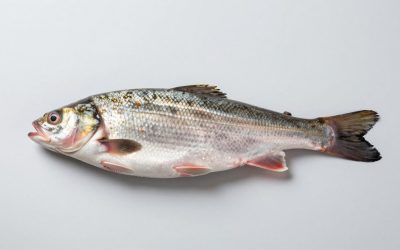
- Fish and chips: German pilsner or a crisp American pilsner cuts through the batter and keeps the meal from feeling heavy.
- Beer-battered cod or haddock: A Czech pilsner echoes the grainy batter while its bitterness offsets oil.
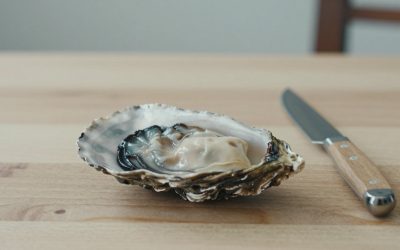
- Oysters: Choose a dry, moderately bitter pilsner. The mineral, briny character of oysters contrasts with the beer’s clean malt and carbonation.
- Steamed mussels: Czech or German pilsner complements broth made with garlic, herbs, and white wine without overpowering the shellfish.
- Grilled prawns: A floral German pils or Italian pilsner works with char, lemon, garlic, and parsley.
- Fish tacos: American or German pilsner refreshes the palate after chili, lime, crema, and fried fish.
- Smoked salmon or trout: A slightly fuller Czech pilsner balances smoke and salt better than an extremely thin lager.
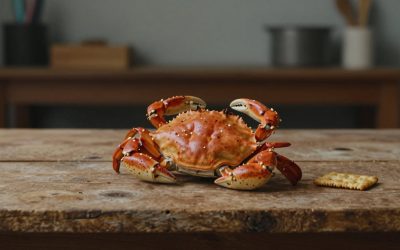
- Crab cakes: Use a dry pilsner with moderate bitterness so it does not overwhelm the sweet crab meat.
- Seafood curry: A lower-bitterness pilsner is safer because strong hop bitterness can clash with some hot spices and coconut-based sauces.
- Grilled octopus: Italian pilsner brings aromatic hops that can match charred edges, olive oil, lemon, and herbs.
How to choose a pilsner at the shop or bar
Start with the food and the bitterness you enjoy. For delicate seafood such as poached sole or crab, look for an ABV near 4.5% to 5.0% and a moderate bitterness around 20–30 IBU. For fried fish, smoked seafood, or rich sauces, a beer around 5.0% to 5.5% ABV and 30–45 IBU will usually provide more contrast.
Then read the style language on the label:
- “Czech,” “Bohemian,” or “Saaz”: Expect floral-spicy hops and a softer, rounder profile.
- “German pils” or “German-style pils”: Expect a lean body, dry finish, and more pointed bitterness.
- “Italian pils” or “dry-hopped pils”: Expect a stronger fresh-hop aroma.
- “Imperial” or “strong pilsner”: Expect higher alcohol and a fuller flavor, which may overpower delicate seafood.
- “Light” or “session” pilsner: Expect lower alcohol and a lighter body, but check whether the beer still has enough bitterness for fried food.
Freshness matters more for hop aroma than for basic drinkability. A dry-hopped pilsner can lose its brightest floral and grassy notes over time, while a classic pilsner may remain enjoyable longer if stored cold and protected from light. Cans and brown bottles generally offer better light protection than clear or green glass.
Serving temperature, glassware, and carbonation
Serve pilsner at approximately 4–7°C (39–45°F). The colder end is suitable for a simple, highly refreshing German pils; the warmer end allows a Czech or Italian pilsner’s malt and hop aroma to show more clearly.
A tall, narrow lager glass helps preserve carbonation and directs aromas toward the nose, but a clean pint glass also works. Pour at an angle, then straighten the glass near the end to create a head of about 2–3 centimeters. That head releases hop aroma and gives the beer a softer first sip.
Do not serve pilsner in a glass that smells of detergent, grease, or old beer. These residues can flatten the head and make the beer seem dull. If a can has been open for several minutes and tastes unexpectedly flat, the issue may be serving or storage rather than the recipe.
Common mistakes when buying or pairing pilsner
- Confusing pale lager with pilsner: Color alone does not identify the style; bitterness and hop character matter.
- Choosing the strongest beer for delicate fish: High alcohol can cover the flavor of sole, crab, scallops, and lightly seasoned white fish.
- Pairing high bitterness with very hot food: Bitterness can make chili heat seem more intense. A lower-bitterness pilsner is often better with fiery seafood curry.
- Serving every pilsner ice-cold: Very cold beer hides aroma and malt flavor, particularly in Czech and dry-hopped examples.
- Ignoring freshness and light exposure: Hop aroma fades, and light-struck beer can develop an unpleasant skunky smell.
- Using a dirty glass: Oils and detergent residue reduce foam stability and alter aroma.
Frequently Asked Questions
Is pilsner an ale or a lager?
Pilsner is a lager. It is fermented with lager yeast, generally at cooler temperatures than ale yeast, and traditionally undergoes a cold-conditioning period called lagering.
Is pilsner bitter?
Yes, pilsner normally has noticeable bitterness, but the level varies by style. German pils tends to taste sharper and more bitter, while Czech pilsner often combines firm bitterness with softer malt and a rounder texture.
What is the difference between pilsner and lager?
Lager is the broad category, covering many beers fermented with lager yeast and commonly cold-conditioned. Pilsner is one specific lager family, recognized for its pale color, crisp body, hop bitterness, and floral, herbal, spicy, or lightly citrusy hop character.
What seafood goes best with pilsner?
Fried fish, oysters, mussels, prawns, fish tacos, crab cakes, and grilled octopus are all strong choices. Use a dry German pilsner for fried or salty dishes, a softer Czech pilsner for richer seafood, and an aromatic Italian pilsner for grilled or herb-heavy preparations.
Should pilsner be served very cold?
Pilsner is best served cold, but not necessarily at near-freezing temperature. A range of 4–7°C (39–45°F) preserves its refreshing carbonation while allowing some malt and hop aroma to come through.
Does pilsner contain more alcohol than regular lager?
Not usually. Most pilsners fall around 4.4% to 5.5% ABV, which overlaps with many standard lagers. The name describes the beer’s style and flavor balance, not a specific alcohol level.
More from Amazon
Programs that pair well with the guide above. Offers and eligibility are set by Amazon and may change.
Free shipping on eligible items, Prime Video and more. Eligible new members can start with a free trial.
Start a Prime free trialA Prime membership for ages 18-24 with a trial period. Eligibility is set by Amazon.
See Prime for Young AdultsAudiobooks and podcasts to listen to on the go. Eligible new members can start with a free trial.
Try Audible freeAd-free music streaming. Eligible new subscribers can start with a free trial.
Try Music Unlimited freeAs an Amazon Associate we earn from qualifying purchases.


Write Your Review
No reviews yet. Be the first to share your experience!