

The classic Tom Collins recipe uses 2 ounces gin, 1 ounce fresh lemon juice, ¾ ounce simple syrup, and 2 to 3 ounces chilled soda water, shaken with ice and finished in an ice-filled Collins glass. For the cleanest balance, use a London dry gin, 1:1 simple syrup, plenty of hard ice, and add the soda only after shaking.
This is a tall, refreshing gin cocktail with enough acidity to cut through rich foods, including fried seafood, grilled shellfish, and smoked fish. The proportions below make one drink and include the practical details that determine whether the finished cocktail tastes bright and lively or watery and flat.
Our top picks
 8" x 12" Popular Cocktails and Drink
- "TOM COLLINS" Recipe Sign
- Have the list of all NEEDED Ingredients and…
- Perfect for a Bar Area or your Man…
 Tom Collins Recipe Metal Sign
- Recipe Chart: The classic Tom Collins recipe illustrated…
- Durable Construction: Made from 1/8" Max-Metal, an aluminum…
- Perfect Size: Measures 8x12 inches, making it an…
 Tom Collins Recipe Metal Sign
- Recipe Chart: The classic Tom Collins recipe illustrated…
- Durable Construction: Made from 1/8" Max-Metal, an aluminum…
- Perfect Size: Measures 8x12 inches, making it an…
| Product | Key specs | |
|---|---|---|
| 8" x 12" Popular Cocktails and Drink | "TOM COLLINS" Recipe Sign Have the list of all NEEDED Ingredients and… Perfect for a Bar Area or your Man… | Check price |
| Tom Collins Recipe Metal Sign | Recipe Chart: The classic Tom Collins recipe illustrated… Durable Construction: Made from 1/8" Max-Metal, an aluminum… Perfect Size: Measures 8x12 inches, making it an… | Check price |
| Tom Collins Recipe Metal Sign | Recipe Chart: The classic Tom Collins recipe illustrated… Durable Construction: Made from 1/8" Max-Metal, an aluminum… Perfect Size: Measures 8x12 inches, making it an… | Check price |
 Tom Collins Recipe Metal Sign | Recipe Chart: The classic Tom Collins recipe illustrated… Durable Construction: Made from 1/8" Max-Metal, an aluminum… Perfect Size: Measures 8x12 inches, making it an… | Check price |
As an Amazon Associate we earn from qualifying purchases at no extra cost to you.
The classic Tom Collins proportions
| Ingredient | Single drink | Four-drink batch | Purpose |
|---|---|---|---|
| London dry gin | 2 oz / 60 ml | 8 oz / 240 ml | Juniper, alcohol, and botanical structure |
| Fresh lemon juice | 1 oz / 30 ml | 4 oz / 120 ml | Acidity and citrus flavor |
| Simple syrup, 1:1 | ¾ oz / 22 ml | 3 oz / 90 ml | Sweetness and balance |
| Chilled soda water | 2–3 oz / 60–90 ml | 8–12 oz / 240–360 ml | Length, lift, and carbonation |
| Ice | Hard cubes, about 150–200 g | About 600–800 g | Chilling and controlled dilution |
The 2:1:¾ ratio of gin, lemon, and syrup is a dependable modern classic. If you prefer a drier drink, reduce the syrup to ½ ounce. If your lemons are especially sharp or the gin is high-proof, ¾ ounce usually provides the more rounded result.
How to make a Tom Collins
- 1. Chill the glass. Place a 10- to 14-ounce Collins or highball glass in the freezer for a few minutes, or fill it with ice and cold water while preparing the drink. A chilled glass slows melting and keeps the soda lively.
- 2. Add the base ingredients to a shaker. Pour in 2 ounces gin, 1 ounce fresh lemon juice, and ¾ ounce simple syrup. Do not add soda to a sealed shaker because carbonation can build pressure.
- 3. Shake with ice for 10 to 12 seconds. Use several solid cubes and shake firmly. This chills the drink and normally contributes roughly 15 to 25 ml of meltwater, depending on ice size, shaker temperature, and shaking force.
- 4. Fill the glass with fresh ice. Use large cubes when possible. They expose less surface area than crushed ice and keep the drink cold with slower dilution.
- 5. Strain into the glass. Strain the shaken mixture over the fresh ice. Replacing the shaker ice prevents the cocktail from continuing to dilute rapidly from small, chipped cubes.
- 6. Add 2 to 3 ounces soda water. Pour it slowly down the side of the glass or over a bar spoon. This preserves more carbonation than splashing it directly onto the ice.
- 7. Give one gentle lift. Stir once from the bottom upward, just enough to combine the soda. Repeated stirring drives off the bubbles.
- 8. Garnish and serve immediately. Add a lemon wheel or lemon wedge. A cocktail cherry is optional, but it is not required for the classic profile.
Why dilution matters
A Tom Collins is not simply gin, lemon, syrup, and soda poured over ice. Shaking supplies the first stage of dilution, while the soda supplies the second stage of lengthening. A well-made drink should taste cold, bright, and integrated rather than hot from the gin or thin from melted ice.
For a single drink, the liquid before ice is about 3¾ ounces: 2 ounces gin, 1 ounce lemon, and ¾ ounce syrup. After shaking, approximately ½ to ¾ ounce of water may be incorporated. Adding 2½ ounces soda produces roughly 6¾ to 7 ounces of finished cocktail before the ice occupies space in the glass. That is why a 10- to 14-ounce glass works better than a small tumbler.
Large, dense cubes are preferable because they chill efficiently while melting more slowly. If using wet or small ice, shorten the shake to about 8 seconds and add less soda. If the drink tastes too strong, do not automatically add more lemon; add a small amount of soda or water, then reassess the sweetness.
Choosing the gin, syrup, and soda
Gin
London dry gin is the safest choice for a classic Tom Collins. Its juniper character remains recognizable beside lemon and carbonation. A softer contemporary gin can make a more floral drink, while an intensely herbal or barrel-aged gin may compete with the citrus.
Use a gin at approximately 40% to 47% alcohol by volume. Higher-proof gin can work, but it generally benefits from the full ¾ ounce of syrup and the upper end of the soda range. Avoid using a heavily flavored sweetened gin unless you are intentionally making a variation.
Simple syrup
For 1:1 syrup, combine equal volumes of white sugar and water, stir until dissolved, then cool completely. A practical small batch is ½ cup sugar with ½ cup water, yielding approximately ¾ cup syrup after dissolution. Refrigerate it in a clean, sealed container and use it within about two weeks; discard it if it develops cloudiness, fermentation, or an off smell.
A rich 2:1 syrup is more concentrated and keeps longer, but it changes the measurement. If substituting rich syrup, begin with ½ ounce rather than ¾ ounce and adjust by taste. Syrup should be measured, not poured by eye, because a difference of ¼ ounce is noticeable in a short, acidic cocktail.
Lemon and soda
Freshly squeezed lemon gives a much brighter result than shelf-stable lemon juice. Strain out seeds and large pulp, but do not over-filter it; a small amount of citrus texture is harmless. Juice lemons shortly before serving, ideally within several hours.
Use plain, unsweetened soda water rather than tonic water. Tonic contains quinine and sugar, changing the drink into a different cocktail. The best soda is very cold and strongly carbonated. Open a fresh bottle or can shortly before mixing and keep the remainder refrigerated.
Batching a Tom Collins for four people
Batching works well for a dinner or seafood gathering, but carbonation should never be added to the whole batch in advance. Combine 8 ounces gin, 4 ounces lemon juice, and 3 ounces 1:1 syrup in a sealed bottle or pitcher. Refrigerate it until cold.
For proper dilution, add approximately 2½ ounces cold water to the four-drink base before serving. This replaces much of the water that individual shaking would contribute. The calculation is simple: four drinks typically gain about ½ to ¾ ounce dilution each, so the batch needs roughly 2 to 3 ounces water. Start with 2½ ounces and adjust after tasting.
- Pour about 4¼ ounces of the pre-diluted base into each ice-filled glass.
- Add 2 to 3 ounces chilled soda water to each serving.
- Stir each drink once, gently, from the bottom upward.
- Garnish individually with lemon.
For a larger event, keep the base in the refrigerator and mix batches of four to eight drinks rather than preparing an entire evening’s supply. Lemon flavor fades over time, and a large container loses carbonation management and makes last-minute correction difficult. If preparing more than four hours ahead, hold back the lemon and add it as close to service as practical.
Glassware, ice, and garnish
A Collins glass is traditionally tall and narrow, with a useful capacity of about 10 to 14 ounces. A highball glass also works, although a shorter 8-ounce glass may require less soda or a smaller 1½-ounce gin measure to prevent overflow.
Fill the glass nearly to the top with large cubes. Too little ice causes the drink to warm quickly and leaves the upper liquid under-chilled. Crushed ice creates a very cold, fast-diluting version; use it only if you plan to serve the cocktail immediately and enjoy a lighter texture.
The classic garnish is a lemon wheel or wedge. Expressing a small strip of lemon peel over the surface adds aromatic oil without extra acidity. A cherry is a familiar Collins garnish, but it is optional and can make the drink sweeter if syrup from the jar enters the glass. For a meal, keep the garnish restrained so it does not interfere with seafood aromas.
Common mistakes and how to correct them
- Flat drink: The soda may be warm, old, or stirred too aggressively. Use freshly opened, cold soda and only one gentle lift.
- Watery drink: Small wet ice, a long shake, or pre-batching with ice is usually responsible. Use fresh large cubes and control the shake time.
- Too sour: Add ¼ ounce more syrup or ½ ounce more soda, then taste. Do not add extra gin to mask acidity.
- Too sweet: Add ¼ ounce lemon juice or ½ ounce soda. Make the next drink with ½ ounce syrup.
- Harsh alcohol: Chill and dilute before changing the recipe. A full 10- to 12-second shake and 2½ to 3 ounces soda usually solve the problem.
- Weak flavor: Excess soda, excessive meltwater, or a low-character gin may be the cause. Reduce soda to 2 ounces and use a juniper-forward London dry gin.
- Messy service: Measure the base, chill the glass, and add soda last. Carbonated drinks are harder to correct once poured.
Best food pairings
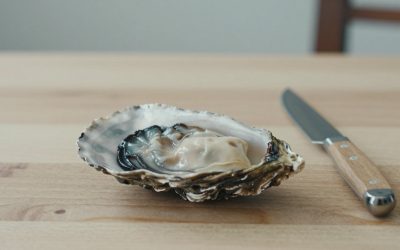
The Tom Collins works particularly well with foods that are salty, fried, smoky, or moderately rich. Its lemon acidity and carbonation refresh the palate after fried calamari, fish and chips, crab cakes, grilled prawns, oysters, and smoked trout.
For delicate raw shellfish, keep the gin botanical profile restrained and avoid a heavily perfumed garnish. For fried seafood, the standard ¾-ounce syrup and 2½ to 3 ounces soda give enough brightness and length to cut through the coating. Very spicy dishes may call for extra soda and a slightly less juniper-forward gin.
Frequently Asked Questions
What is the correct ratio for a Tom Collins?
Use 2 ounces gin, 1 ounce fresh lemon juice, ¾ ounce 1:1 simple syrup, and 2 to 3 ounces soda water. Shake the gin, lemon, and syrup with ice, then strain over fresh ice before adding the soda. The syrup can be reduced to ½ ounce for a drier drink.
Should a Tom Collins be shaken or stirred?
Shake the gin, lemon juice, and syrup with ice because shaking chills and combines the acidic and sweet ingredients while adding controlled dilution. Add soda afterward and stir only once gently. Shaking carbonated water is unsafe and rapidly destroys its carbonation.
What glass should be used for a Tom Collins?
A 10- to 14-ounce Collins glass is the best traditional choice. A highball glass is a suitable alternative, provided it can hold the drink, ice, and 2 to 3 ounces of soda without overflowing. Chill the glass first when possible.
Can I make Tom Collins cocktails ahead of time?
Yes, prepare the gin, lemon, and syrup base in advance and refrigerate it. Add approximately ½ to ¾ ounce cold water per drink to replace shaking dilution, then pour over ice and add soda just before serving. Never add the soda hours ahead because it will lose carbonation.
Is tonic water the same as soda water in a Tom Collins?
No. Soda water is carbonated water without the pronounced bitterness and sugar of tonic water. Tonic produces a sweeter, bitterer drink and should be treated as a deliberate variation rather than a substitute for the classic recipe.
How long does homemade simple syrup last?
A refrigerated 1:1 syrup usually keeps for about two weeks in a clean, sealed container, although storage life depends on sanitation and temperature. Discard it if it becomes cloudy, fizzy, moldy, or smells fermented. Make a small batch so the syrup remains fresh for cocktails.
More from Amazon
Programs that pair well with the guide above. Offers and eligibility are set by Amazon and may change.
Free shipping on eligible items, Prime Video and more. Eligible new members can start with a free trial.
Start a Prime free trialA Prime membership for ages 18-24 with a trial period. Eligibility is set by Amazon.
See Prime for Young AdultsAudiobooks and podcasts to listen to on the go. Eligible new members can start with a free trial.
Try Audible freeAd-free music streaming. Eligible new subscribers can start with a free trial.
Try Music Unlimited freeAs an Amazon Associate we earn from qualifying purchases.



Write Your Review
No reviews yet. Be the first to share your experience!