

The best shrimp cocktail recipe uses chilled poached shrimp and a cocktail sauce balanced with ketchup, prepared horseradish, lemon, Worcestershire sauce, and hot sauce. For juicy shrimp, poach them gently in water that is hot but not boiling, remove them as soon as they turn opaque, and chill them immediately.
This method makes about 4 appetizer servings, using 1 pound of peeled, deveined large shrimp and approximately 1 cup of homemade cocktail sauce. The key decision is timing: shrimp continue cooking from retained heat, so an ice bath is as important as the poaching water.
Our top picks
 St. Elmo Cocktail Sauce
- Fiery
- Made with fresh-ground horseradish root, the dazzling taste…
- Notes of citrus keep this sauce light, making…
 Beaver Brand Cocktail Sauce with Horseradish for
- One 13oz squeeze bottle of Beaver Brand Cocktail…
- This shrimp cocktail sauce enhances seafood dishes with…
- Use this rich and tangy cocktail sauce for…
| Product | Key specs | |
|---|---|---|
 SCHLOTTERBECK & FOSS Cocktail Sauce | Cocktail and Tartar Sauces | Check price |
| St. Elmo Cocktail Sauce | Fiery Made with fresh-ground horseradish root, the dazzling taste… Notes of citrus keep this sauce light, making… | Check price |
| Beaver Brand Cocktail Sauce with Horseradish for | One 13oz squeeze bottle of Beaver Brand Cocktail… This shrimp cocktail sauce enhances seafood dishes with… Use this rich and tangy cocktail sauce for… | Check price |
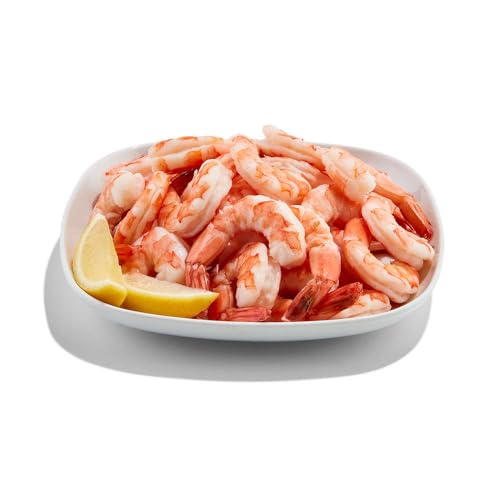 Seafood Large Cooked White Shrimp 31/40 Count | Large cooked shrimp (31/40) Responsibly Farmed Reserve by the each, sold by the pound | Check price |
As an Amazon Associate we earn from qualifying purchases at no extra cost to you.
Shrimp Cocktail Recipe at a Glance
| Item | Recommended amount | Why it matters |
|---|---|---|
| Shrimp | 1 lb, 16–20 per pound | Large enough to stay juicy and easy to dip |
| Poaching liquid | 8 cups water, 2 tbsp salt, aromatics | Seasoning reaches the surface without overpowering the shrimp |
| Poaching temperature | 160–170°F | Gentle heat reduces the risk of tough, rubbery meat |
| Cooking time | 2–4 minutes, depending on size | Use appearance and internal temperature, not time alone |
| Chilling time | 5 minutes in an ice bath | Stops carryover cooking quickly |
| Cocktail sauce | 1 cup | Enough for dipping without running short |
Ingredients
For the shrimp
- 1 pound large raw shrimp, preferably 16–20 per pound
- 8 cups water
- 2 tablespoons kosher salt, or 1 tablespoon fine table salt
- 1 lemon, halved
- 2 garlic cloves, lightly crushed
- 1 bay leaf
- 1 teaspoon whole black peppercorns
- 1 cup ice cubes and enough cold water to cover them
For the cocktail sauce
- 3/4 cup ketchup
- 1/4 cup prepared horseradish, drained if very wet
- 1 tablespoon fresh lemon juice
- 2 teaspoons Worcestershire sauce
- 1 teaspoon hot sauce, such as Tabasco or another vinegar-based sauce
- 1/4 teaspoon freshly ground black pepper
- 1/8 teaspoon celery salt, optional
This ratio produces a sauce that is tangy, savory, and moderately hot. For a milder sauce, use 2 tablespoons horseradish and omit the hot sauce. For a sharper, hotter sauce, increase horseradish to 1/3 cup before adding more hot sauce.
How to Poach Shrimp Without Overcooking
- 1. Prepare the shrimp. Peel and devein the shrimp, leaving the tails on if you want a traditional presentation. If the shrimp are frozen, thaw them overnight in the refrigerator or under cold running water; do not thaw them in warm water. Pat them dry so excess ice or water does not dilute the poaching liquid.
- 2. Build the poaching liquid. Add the water, salt, lemon halves, garlic, bay leaf, and peppercorns to a wide saucepan or Dutch oven. Bring the liquid to a boil, then reduce the heat and wait until it settles at approximately 160–170°F. The liquid should be steaming and gently moving, not vigorously bubbling.
- 3. Add the shrimp in one layer. Lower the shrimp into the liquid and stir once so they cook evenly. A wide pot is preferable because crowded shrimp cool the water unevenly and may require longer cooking.
- 4. Watch for the visual change. Shrimp are ready when the flesh is opaque from edge to center, the outside is pink, and the shrimp have curled into a loose “C” shape. A tight “O” shape usually indicates that they have cooked too long. As a food-safety reference, the USDA recommends cooking shrimp until the flesh is pearly and opaque; a food thermometer should read 145°F at the thickest point.
- 5. Remove them promptly. Large shrimp commonly take 2–4 minutes in gently hot liquid, while extra-large shrimp may take 4–5 minutes. Start checking at 2 minutes rather than relying on a fixed time, because shrimp size, starting temperature, and pot volume all change the result.
- 6. Chill immediately. Transfer the shrimp to the ice bath with a slotted spoon or spider strainer. Chill for about 5 minutes, until fully cold, then drain and pat dry. Leaving shrimp in the hot liquid while preparing the sauce is the most common cause of overcooking.
If you use a thermometer, check the thickest shrimp rather than the tail. A temperature reading is useful, but the shrimp’s appearance and texture still matter because thin sections can become firm before the center reaches the target.
Make the Balanced Cocktail Sauce
- Add the ketchup, horseradish, lemon juice, Worcestershire sauce, hot sauce, black pepper, and celery salt to a bowl.
- Whisk until smooth and taste with a clean spoon.
- Refrigerate for at least 20 minutes before serving so the horseradish and Worcestershire flavors blend.
- Adjust in small increments: add lemon for brightness, horseradish for heat, ketchup for sweetness, or Worcestershire for savory depth.
The sauce should taste slightly stronger than you expect when sampled alone because cold shrimp soften the perception of salt, acidity, and heat. Avoid adding extra salt immediately; ketchup, Worcestershire sauce, and prepared horseradish already contain sodium.
A Worked Example for Four Servings
One pound of 16–20-count shrimp gives approximately 16–20 pieces. Divided among four guests, that equals 4–5 shrimp per person. The 1-cup sauce batch provides 4 tablespoons per guest, although most people use less because it is served as a dip rather than poured over the shrimp.
For a larger party, the scaling is simple: use 2 pounds of shrimp, 16 cups of water, 4 tablespoons kosher salt, and double the sauce ingredients. Cook in two batches if the pot cannot hold the shrimp loosely. Two short batches are preferable to one crowded batch because the water temperature recovers faster and cooking is more even.
Choosing Shrimp for Cocktail
| Shrimp size label | Approximate count per pound | Best use | Typical poaching time |
|---|---|---|---|
| Medium | 36–45 | Salads, small cups, buffet platters | 1 1/2–3 minutes |
| Large | 16–20 | Best all-purpose shrimp cocktail size | 2–4 minutes |
| Extra-large | 11–15 | Individual plated appetizers | 3–5 minutes |
| Jumbo | 8–12 | Statement presentation and fewer portions | 4–6 minutes |
Count labels are more useful than vague words such as “big” because they tell you how many shrimp you will receive per pound. The exact ranges can vary by seafood supplier, so check the package count when available.
Fresh or previously frozen shrimp can both work well. Previously frozen shrimp are often the practical choice because freezing soon after harvest preserves quality, but avoid packages with excessive frost, torn packaging, or a strong ammonia-like smell after thawing. Raw shrimp should smell clean and mildly briny, not sour or chemical.
Serving and Presentation Tips
- Serve the shrimp cold, not at room temperature. Arrange them around a small bowl of sauce, with the tails pointing outward for easy handling.
- Keep the platter over crushed ice if it will sit out. For food safety, perishable seafood should not remain at room temperature for more than 2 hours, or 1 hour when the surrounding temperature is above 90°F.
- Garnish with lemon wedges, chopped parsley, dill, or a few thin slices of fresh cucumber. These add freshness without changing the sauce’s balance.
- For a more substantial starter, serve with avocado, crisp lettuce, seeded crackers, or thin slices of toasted baguette.
- Dry the shrimp before arranging them. Water on the surface makes the sauce slide off and weakens the flavor of each bite.
Common Mistakes and How to Avoid Them
Boiling the shrimp aggressively
Vigorous boiling can make the outside firm before the center is cooked. Use a gentle poach and remove the shrimp as soon as they are opaque.
Leaving shrimp in the pot
The hot liquid continues transferring heat after the burner is turned off. A slotted spoon is not enough if the shrimp remain submerged; move them directly to ice water.
Using too little water
A small volume of water loses heat quickly when cold shrimp are added. Use at least 8 cups for 1 pound of shrimp, and choose a pot that leaves room for the water to circulate.
Overcorrecting the sauce
Adding large amounts of horseradish, lemon, or hot sauce at once can make the sauce harsh. Adjust by teaspoons, then wait several minutes before tasting again.
Storing cooked shrimp while wet
Drain and pat the shrimp dry before refrigerating. Store them in a covered container at 40°F or below and use within 3 days for best quality, following local food-safety guidance.
Can You Prepare Shrimp Cocktail Ahead?
Yes. Poach and chill the shrimp up to 24 hours ahead, then keep them covered in the refrigerator. Mix the sauce up to 3 days ahead; its flavor usually improves after resting, although the horseradish aroma may become more pronounced.
Keep the shrimp and sauce separate until serving. If the shrimp sit in the sauce, their surface becomes wet and the sauce loses its clean, concentrated flavor. Assemble the platter shortly before guests eat.
Frequently Asked Questions
Should I poach shrimp with the shells on?
Shell-on shrimp can have slightly more flavor and may be less prone to drying, but peeled shrimp are easier to serve and dip. If poaching shell-on shrimp, add about 1 minute to the cooking time and remove the shells after chilling if desired. Deveining is optional for safety but improves appearance and texture.
How do I know when shrimp are done without a thermometer?
Cut into the thickest shrimp: the center should be opaque rather than gray or translucent. The shrimp should form a loose “C,” not a tightly curled “O.” Remove them promptly and use an ice bath because residual heat can finish cooking them.
Can I use pre-cooked shrimp?
Yes, but do not poach them again. Thaw pre-cooked shrimp in the refrigerator, rinse only if needed, drain thoroughly, and chill them before serving with the sauce. They will usually be less tender than shrimp cooked gently from raw.
How can I make cocktail sauce less spicy?
Start with 2 tablespoons of horseradish instead of 1/4 cup and omit the hot sauce. Add more horseradish in 1-teaspoon increments after the sauce has chilled, since its heat can become more noticeable as it rests.
Why did my shrimp become rubbery?
The usual causes are excessive heat, cooking for too long, or failing to chill the shrimp immediately. Use a 160–170°F poaching liquid, begin checking early, and transfer the shrimp to ice water as soon as they turn opaque.
Can I use the poaching liquid for anything else?
You can strain it and use it as a light seafood stock if it has been handled safely and chilled promptly. Do not reuse it as a serving liquid, and discard it if it has been left at room temperature or contaminated by raw seafood handling.
More from Amazon
Programs that pair well with the guide above. Offers and eligibility are set by Amazon and may change.
Free shipping on eligible items, Prime Video and more. Eligible new members can start with a free trial.
Start a Prime free trialA Prime membership for ages 18-24 with a trial period. Eligibility is set by Amazon.
See Prime for Young AdultsAudiobooks and podcasts to listen to on the go. Eligible new members can start with a free trial.
Try Audible freeAd-free music streaming. Eligible new subscribers can start with a free trial.
Try Music Unlimited freeAs an Amazon Associate we earn from qualifying purchases.


Write Your Review
No reviews yet. Be the first to share your experience!