

The best pesto pasta recipes start with a reliable ratio: use 350 g pasta, 180–240 g pesto, and 60–120 ml reserved pasta water for four servings, then add one vegetable and one protein for a complete dinner. The ten combinations below cover quick seafood meals, vegetarian options, creamy sauces, and make-ahead lunches without letting the pesto become oily or dry.
For most recipes, cook the pasta just until al dente, reserve the cooking water, and stir pesto in off the heat. High heat can dull basil’s flavor and cause the oil and cheese in the sauce to separate.
Our top picks

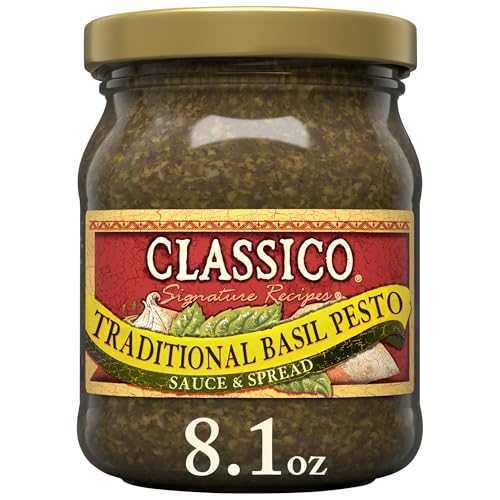 Classico Sauce & Spread
- One 8.1 oz jar of Classico Signature Recipes…
- Bring an authentic and delicious taste to your…
- Our pesto sauce is crafted with the perfect…
As an Amazon Associate we earn from qualifying purchases at no extra cost to you.
Quick guide to the 10 pesto pasta recipes
| Recipe | Serves | Protein | Vegetable add-ins | Pesto and pasta-water ratio | Time |
|---|---|---|---|---|---|
| Pesto shrimp linguine | 4 | 450 g shrimp | Cherry tomatoes, spinach | 200 g pesto + 90 ml water | 25 minutes |
| Salmon pesto penne | 4 | 450 g salmon | Peas, asparagus | 220 g pesto + 120 ml water | 30 minutes |
| Tuna, lemon and pesto fusilli | 4 | 2 cans tuna, about 300 g drained | Roasted peppers, arugula | 180 g pesto + 60 ml water | 20 minutes |
| Chicken pesto spaghetti | 4 | 450 g chicken breast | Zucchini, peas | 200 g pesto + 90 ml water | 30 minutes |
| Pesto and roasted vegetable rigatoni | 4 | None | Courgette, peppers, onion | 180 g pesto + 75 ml water | 35 minutes |
| Creamy pesto mushroom tagliatelle | 4 | None | Mushrooms, spinach | 160 g pesto + 120 ml cream | 25 minutes |
| Pesto cod and tomato orzo | 4 | 500 g cod | Tomatoes, kale | 180 g pesto + 150 ml stock | 35 minutes |
| Pesto meatball penne | 4 | 500 g cooked meatballs | Broccoli, peas | 200 g pesto + 100 ml water | 30 minutes |
| White bean pesto shells | 4 | 2 cans white beans | Spinach, sun-dried tomatoes | 180 g pesto + 90 ml water | 20 minutes |
| Pesto pasta salad with crab | 6 | 450 g cooked crab meat | Cucumber, peas, celery | 200 g pesto + 120 ml yogurt | 25 minutes |
1. Pesto shrimp linguine
This is the best choice when you want a fast seafood dinner with a bright, garlicky sauce. Use 350 g linguine, 450 g peeled shrimp, 200 g pesto, 250 g halved cherry tomatoes, and two large handfuls of spinach for four servings.
Boil the linguine. Meanwhile, sauté the shrimp in 1 tablespoon of olive oil for about 2 minutes per side, until opaque and cooked through. Add the tomatoes for 2 minutes, then turn off the heat. Toss the pasta with pesto and 90 ml reserved water, fold in the spinach, and top with the shrimp.
The main trade-off is that shrimp overcook quickly. Remove them from the pan as soon as they are opaque and curled into a loose “C” shape; a tight “O” shape usually indicates a tougher result.
2. Salmon pesto penne with peas and asparagus
Choose this combination for a more substantial meal. It serves four with 350 g penne, 450 g boneless salmon, 220 g pesto, 200 g peas, and 250 g asparagus cut into 3 cm pieces.
Roast or pan-cook the salmon until it flakes easily, then break it into large pieces. Cook the asparagus and peas with the pasta during the final 3 minutes. Drain, reserving 120 ml water, and combine the pasta, vegetables, pesto, and enough water to make a glossy sauce. Fold in the salmon last.
Salmon brings enough richness that extra cream is unnecessary. Add lemon zest or a teaspoon of lemon juice at the table rather than mixing a large amount into the pot, where acidity can make some dairy-based pesto sauces look grainy.
3. Tuna, lemon and pesto fusilli
This pantry-friendly recipe works when fresh seafood is unavailable. For four servings, combine 350 g fusilli, two cans of tuna totaling about 300 g drained weight, 180 g pesto, 150 g roasted red peppers, and 60 g arugula.
Cook the fusilli and reserve 60 ml water. Mix the pesto with the water, lemon zest, and 1 tablespoon of lemon juice. Toss with the warm pasta, tuna, peppers, and arugula. Add the tuna near the end so it stays in recognizable flakes instead of breaking into a paste.
Oil-packed tuna gives the richest result; tuna packed in water produces a lighter dish and may need an extra tablespoon of olive oil. Check the label for added salt before seasoning because both canned tuna and prepared pesto can be salty.
4. Chicken pesto spaghetti with zucchini
For a familiar family dinner, use 350 g spaghetti, 450 g chicken breast or thigh meat, 200 g pesto, two medium zucchini, and 150 g peas. This makes four servings.
Slice the chicken into bite-size pieces and cook it until the thickest pieces reach 74°C. Sauté the zucchini separately until lightly browned. Toss the cooked spaghetti with pesto and 90 ml pasta water, then add the chicken, zucchini, and peas.
Chicken breast is leaner but dries more readily; boneless thigh meat is more forgiving. Do not add raw chicken to the pesto, and keep the pesto off the hot pan while the chicken cooks so its basil flavor remains fresh.
5. Pesto and roasted vegetable rigatoni
This is the strongest vegetarian option for people who want caramelized flavor rather than a creamy sauce. Cut one zucchini, one red bell pepper, and one small red onion into bite-size pieces. Roast them with olive oil at 220°C until browned, about 25 minutes.
Cook 350 g rigatoni, then toss it with 180 g pesto and approximately 75 ml pasta water. Stir in the roasted vegetables and finish with toasted seeds or grated hard cheese if desired. The wide tubes hold the pesto and make a modest amount of sauce feel generous.
For extra protein, add 400 g drained chickpeas to the roasting tray for the final 10 minutes. Pat them dry first so they roast rather than steam.
6. Creamy pesto mushroom tagliatelle
Use this version when you want a softer, richer sauce. It serves four with 350 g tagliatelle, 300 g sliced mushrooms, 160 g pesto, 120 ml single cream, and 100 g baby spinach.
Brown the mushrooms in a wide pan without overcrowding them. Cook the pasta, reserving 120 ml water. Warm the cream gently, remove the pan from the heat, and whisk in the pesto. Add the pasta and enough water to loosen it, then fold in the mushrooms and spinach.
The key decision is how much cream to use. The 160 g pesto-to-120 ml cream ratio keeps the basil flavor noticeable; doubling the cream makes a milder sauce but can overwhelm delicate pesto and requires more seasoning.
7. Pesto cod and tomato orzo
This one-pot-style meal pairs mild white fish with a risotto-like pasta texture. For four servings, use 350 g orzo, 500 g cod fillets, 180 g pesto, 400 g chopped tomatoes, 750 ml low-salt stock, and 100 g shredded kale.
Simmer the orzo, tomatoes, and stock in a wide pan, stirring regularly, until nearly tender. Place the cod on top, cover, and cook until it flakes easily. Remove from the heat, stir in the kale and pesto, and loosen with additional stock if needed.
Because orzo absorbs liquid after cooking, serve this immediately. If it becomes thick, add hot stock rather than cold water; this restores a spoonable texture without washing out the seasoning.
8. Pesto meatball penne with broccoli
For a hearty dinner, use 350 g penne, 500 g cooked meatballs, 200 g broccoli florets, 200 g pesto, and 100 ml pasta water. Beef, pork, turkey, or plant-based meatballs all work.
Warm the meatballs according to their package directions. Add the broccoli to the pasta water for the final 4 minutes, then drain. Toss the pasta and broccoli with pesto and 100 ml water, adding the meatballs just before serving.
This recipe benefits from a sharper pesto, such as one with extra basil or lemon, because meatballs are comparatively rich. Halve large meatballs so the serving contains a more even balance of pasta, sauce, and protein.
9. White bean pesto shells
White beans provide a low-cost, meat-free protein addition. Cook 350 g medium pasta shells and combine them with two drained 400 g cans of cannellini beans, 180 g pesto, 100 g spinach, and 90 ml pasta water.
Warm the beans gently with the cooked pasta, then stir in the pesto off the heat. Add chopped sun-dried tomatoes for acidity and chew. The shells capture small beans and pesto, making this combination particularly useful for packed lunches.
For a smoother sauce, mash 150 g of the beans with 2 tablespoons of pasta water before mixing them in. This adds body without cream and reduces the amount of pesto needed.
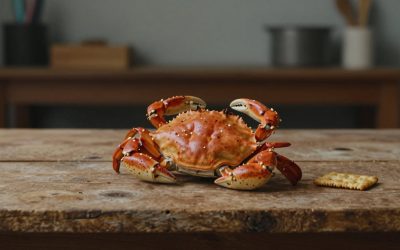
10. Pesto pasta salad with crab
Make this chilled recipe for six servings using 450 g short pasta, 450 g cooked crab meat, 200 g pesto, 120 g plain yogurt, one cucumber, two celery stalks, and 150 g peas.
Cook the pasta 1 minute beyond al dente because chilled pasta firms up. Rinse briefly with cool water, drain thoroughly, and mix the pesto with yogurt. Toss the dressing through the cooled pasta, then add the crab, cucumber, celery, and peas.
The yogurt-to-pesto ratio of 120 g to 200 g keeps the salad creamy but not excessively oily. Fold in the crab last, and refrigerate it promptly so the seafood stays cold and the delicate pieces remain intact.
How to adjust pesto pasta sauce without making it watery
A practical starting point is 45–60 g pesto per 100 g dry pasta. Use the lower end for oily or strongly flavored pesto and the higher end for mild supermarket-style pesto. Add liquid gradually rather than pouring in the full amount at once.
- For a standard hot pasta sauce, start with 60 ml pasta water per 350 g dry pasta and add up to 120 ml.
- For thick noodles or pasta that will sit for several minutes, reserve 150 ml because they absorb more sauce.
- For creamy pesto, replace 60–120 ml of water with cream, yogurt, or soft cheese, adding the dairy off the heat.
- For pasta salad, use yogurt, mayonnaise, or olive oil instead of much pasta water because water can make the dressing bland after chilling.
- If the sauce is oily, add a tablespoon of pasta water and toss vigorously; the starch helps emulsify the oil with the pesto.
- If it is too thick, add water 1 tablespoon at a time. If it is too thin, add more pesto, grated cheese, or a small amount of mashed bean.
Storage, reheating, and food-safety timing
Refrigerate cooked pesto pasta in a shallow, covered container within 2 hours of cooking, or within 1 hour if the room is above 32°C. General food-safety guidance recommends using refrigerated leftovers within 3–4 days; seafood versions are best within 2–3 days for quality.
| Dish type | Refrigerator time | Best reheating method | Useful adjustment |
|---|---|---|---|
| Shrimp, salmon, cod, or crab pasta | 2–3 days | Covered microwave or low pan heat | Add 1 tablespoon water per serving |
| Chicken or meatball pesto pasta | 3–4 days | Covered pan or microwave | Stir in 1–2 tablespoons water per serving |
| Vegetarian pesto pasta | 3–4 days | Low pan heat | Add water before the pasta dries |
| Pesto pasta salad | 3–4 days | Do not reheat | Refresh with yogurt or pesto before serving |
Reheat only the portion you plan to eat, and heat seafood or meat leftovers until steaming hot throughout. Store pesto separately from pasta when possible; this preserves a fresher color and lets you adjust the sauce after the pasta absorbs moisture.
Frequently Asked Questions
What is the best pasta shape for pesto?
Short ridged shapes such as fusilli, shells, and rigatoni hold pesto well, while linguine and spaghetti give a smoother, lighter coating. Use 350 g dry pasta for about four main-course servings, adjusting down to 75–85 g per person for smaller appetites.
Can I use frozen seafood in pesto pasta?
Yes. Thaw frozen shrimp or fish in the refrigerator, then pat it dry before cooking so it browns rather than releases excess water. Do not thaw seafood at room temperature, and cook it until opaque and flaky or until it reaches the safe internal temperature recommended for that species.
Why does my pesto pasta turn oily?
Oiliness usually comes from adding pesto to a very hot pan or using too much pesto without enough starchy water. Remove the pan from heat, add water one tablespoon at a time, and toss vigorously to bring the sauce back together.
Can pesto pasta be frozen?
Plain pesto pasta can be frozen for up to about 1 month, although the texture may soften and basil may darken. Seafood, cream, and yogurt-based versions are less suitable for freezing because fish can dry out and dairy sauces may separate.
How much pesto should I use per person?
Plan on 45–60 g pesto per 100 g dry pasta, or approximately 35–50 g pesto per person for a main course. Start with less when adding salty seafood, cheese, olives, or sun-dried tomatoes, then adjust after loosening the sauce.
More from Amazon
Programs that pair well with the guide above. Offers and eligibility are set by Amazon and may change.
Free shipping on eligible items, Prime Video and more. Eligible new members can start with a free trial.
Start a Prime free trialA Prime membership for ages 18-24 with a trial period. Eligibility is set by Amazon.
See Prime for Young AdultsAudiobooks and podcasts to listen to on the go. Eligible new members can start with a free trial.
Try Audible freeAd-free music streaming. Eligible new subscribers can start with a free trial.
Try Music Unlimited freeAs an Amazon Associate we earn from qualifying purchases.


Write Your Review
No reviews yet. Be the first to share your experience!